
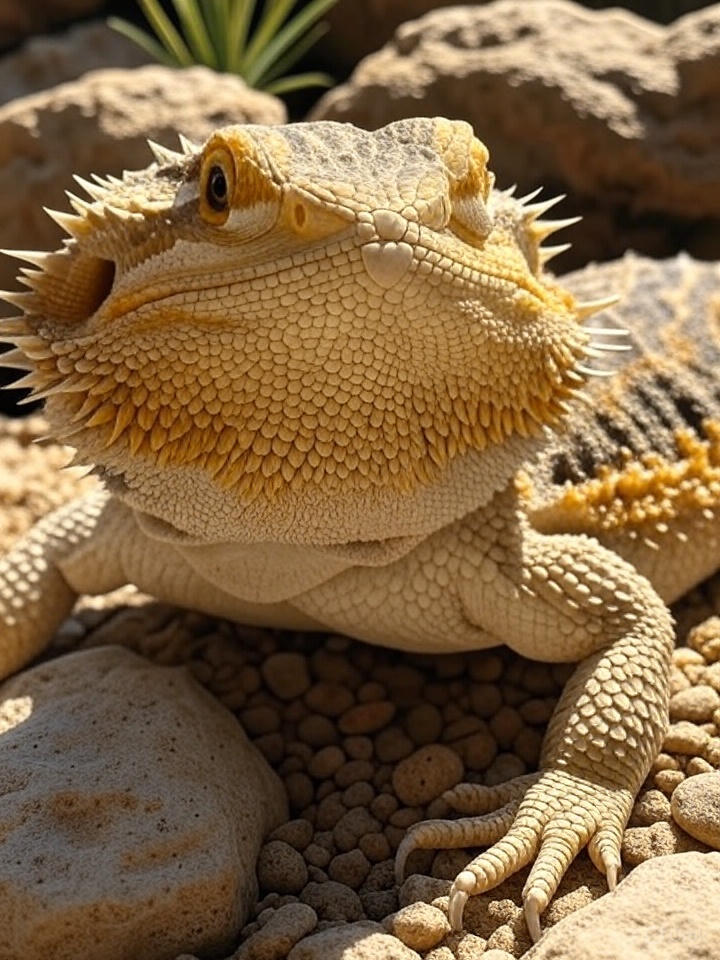
Bearded dragons, with their captivating charm and desert heritage from Australia, require careful attention during the bearded dragon diet transition from hatchlings to adults, ensuring their health and development. Baby bearded dragons, with rapid growth and unique nutritional needs, shift from a protein-heavy, insect-based diet to one with more vegetables as they mature, supporting energy, immunity, and a long life. Whether you’re a new owner or refining care, this guide offers practical steps to navigate this critical phase. Drawing from extensive reptile care expertise and veterinary insights, begin now to guide your dragon’s dietary evolution.
This article covers age-based needs, reducing insect feedings, introducing vegetables, monitoring health, addressing challenges, and conclusion. Start today to ensure a smooth transition.
Disclosure: This post contains affiliate links. I may earn a small commission from purchases made through these links at no additional cost to you (#CommissionsEarned).
Understanding Bearded Dragon Dietary Needs by Age
Baby bearded dragons, under six months, need 70–80% insects (crickets, dubia roaches, small mealworms) and 20–30% vegetables (collards, dandelion leaves) for rapid growth, per a 2023 Journal of Exotic Pet Medicine study (https://doi.org/10.1016/j.jepm.2023.03.001). Adults (12–18 months) shift to 70–80% vegetables and 20–30% insects as growth slows, requiring fiber and micronutrients. The bearded dragon diet transition begins at 6–12 months, based on size (16–20 inches, 300–400 grams), avoiding rushed shifts causing digestive issues or delays risking obesity, per veterinary guidelines (https://arav.site-ym.com/page/ReptileCareResources/). Monitor weight and behavior, consulting a vet if unsure.
Gradually Reducing Insect Feedings
Start the bearded dragon diet transition by reducing insect feedings from two to three daily sessions (20–50 small crickets/roaches) to once daily at 6–8 months, then every other day by 9–12 months, per a 2022 Reptile Medicine and Surgery study (https://doi.org/10.1016/j.jepm.2022.01.005). Use digestible dubia roaches or phoenix worms, dusting with calcium 3–4 times weekly. Slow the pace if they refuse insects or show lethargy, ensuring protein needs are met.
| Age (Months) | Insect Feedings/Day | Vegetable Offerings/Day |
|---|---|---|
| 4–6 | 2–3 | 1 |
| 6–9 | 1–2 | 1–2 |
| 9–12 | Every other day | 2 |
Enhance your feeding with insect containers on Amazon (https://amzn.to/4lku8DG).
Introducing More Vegetables Gradually
Increase vegetables during the bearded dragon diet transition, mixing familiar greens (collards, mustard greens) with new ones (shredded carrots, bell peppers, squash) from 6–12 months, chopped finely for digestion, per VCA Hospitals (https://vcahospitals.com/know-your-pet/bearded-dragons-feeding). Offer mornings in a shallow dish, adding 10% fruit (blueberries, mango) to entice picky eaters, avoiding oxalate-rich spinach or broccoli, per Reptiles Magazine (https://reptilesmagazine.com/bioactive-enclosures-for-bearded-dragons/). Gradually reach 70–80% vegetables by 12–18 months, hand-feeding or placing near insects if ignored.
Monitoring Health and Adjusting Portions
Monitor the bearded dragon diet transition with weekly weight checks on a digital scale, targeting 300–600 grams by 18 months, per breed standards. Steady weight gain, active behavior, and regular stools signal success; address weight loss or lethargy with more insects and vet consultation, per a 2021 Journal of Applied Animal Welfare Science study (https://doi.org/10.1080/10888705.2021.1872023). Offer 10–15-minute insect sessions and a daily vegetable dish, adjusting to avoid obesity or malnutrition, with a 95–100°F basking temperature aiding digestion. Enhance your monitoring with scales on Amazon (https://amzn.to/4lku8DG).
Addressing Common Transition Challenges
Challenges in the bearded dragon diet transition include vegetable refusal—vary textures or lightly steam greens, slowing if stress or illness (check 30–40% humidity, 10–12-hour UVB) is suspected, per a 2020 Veterinary Parasitology study (https://doi.org/10.1016/j.vetpar.2020.109123). Digestive upset (diarrhea) from sudden shifts or ratios needs gut-loaded insects to stabilize. Picky eating from early insect over-reliance requires reducing availability, offering greens first mornings. Mimic wild shifts to plant-based diets for success.
Conclusion: Guide a Healthy Dietary Shift
Transitioning baby bearded dragons to an adult diet through gradual insect reduction, vegetable introduction, health monitoring, and challenge management ensures a balanced bearded dragon diet transition, supporting long-term well-being. This mirrors their natural development, fostering vibrant health. Start adjusting your dragon’s diet today—click here to explore our blog for more transition tips and connect with a community of owners. Join the reptile care community to share strategies and elevate your care. Ensure your dragon thrives with insect containers and scales on Amazon (https://amzn.to/4lku8DG). Share your transition experiences in the comments and consult a veterinarian for tailored advice to keep your beardie flourishing.