
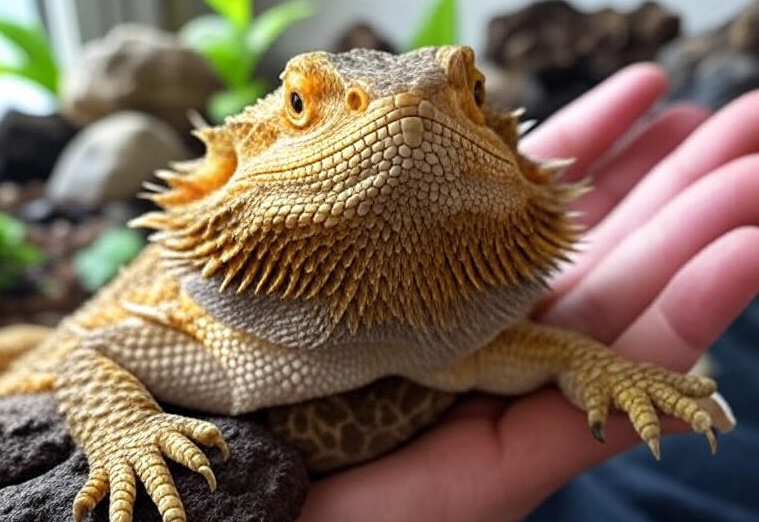
Bearded dragons are popular pets due to their docile nature and unique personalities, making them great candidates for handling with the right approach. Learning how to train a bearded dragon to be comfortable with handling is rewarding for both the pet and the owner. A well-handled bearded dragon is less stressed, more social, and easier to care for during routine tasks like feeding or cleaning. Proper training builds trust, ensuring your lizard feels secure in your presence. This process requires patience, consistency, and an understanding of their behavior, as these reptiles originate from Australia’s arid regions, where they’ve adapted to prioritize safety and comfort ().
This guide offers practical steps to train a bearded dragon effectively. From creating a comfortable environment to using positive reinforcement, these tips will help you foster a strong bond with your pet. Whether you’re a new owner or looking to improve your bearded dragon care, these strategies will make handling sessions stress-free and enjoyable. Let’s explore five key tips to help your bearded dragon become confident with human interaction.
Set Up a Comfortable and Safe Environment
Before you begin to train a bearded dragon, ensure their enclosure promotes a sense of security, which is essential for reducing stress during handling. A well-designed habitat mimics their natural environment, making them more receptive to training. Maintain a basking spot at 95-100°F and a cooler side at 80-85°F, as proper temperatures keep them alert and comfortable (). Use a reliable tool like the Etekcity Infrared Thermometer to monitor these temperatures accurately. Include a cozy accessory like the Niteangel Bearded Dragon Hammock to provide a relaxing perch, which helps your dragon feel secure.
Add hiding spots, such as caves or logs, to give your bearded dragon a safe retreat. A stressed dragon may hide or puff up, signaling discomfort, so ensure the enclosure is free from loud noises or sudden movements. Place the tank in a quiet area of your home to minimize disturbances. By creating a calm and stable environment, you lay the foundation for successful bearded dragon handling, as a comfortable dragon is more likely to respond positively to your presence.
Start with Short, Gentle Interactions
To train a bearded dragon effectively, begin with brief, gentle interactions to build trust gradually. Bearded dragons are naturally cautious, so rushing the process can cause stress. Approach the enclosure slowly, avoiding sudden movements, and speak in a soft voice to familiarize them with your presence. Start by placing your hand in the tank for a few minutes daily, allowing the dragon to observe without forcing contact. Over time, gently stroke their back or head, watching for signs of relaxation, such as closed eyes or a flattened body.
Keep initial handling sessions to 5-10 minutes, once or twice a day, to avoid overwhelming your pet. If they show stress signals, like hissing or puffing their beard, give them space and try again later. Consistency is key in pet lizard bonding, so maintain a regular schedule for these interactions. This gradual approach helps your bearded dragon associate your presence with safety, setting the stage for longer and more comfortable handling sessions as they grow accustomed to you.
Use Positive Reinforcement with Treats
Positive reinforcement is a powerful tool to train a bearded dragon and encourage comfort with handling. Bearded dragons respond well to food rewards, which create positive associations with human interaction. Use high-quality treats like Fluker’s Freeze-Dried Crickets to reward calm behavior during handling. Dust the crickets with a supplement like Zoo Med ReptiVite with D3 to ensure nutritional balance, as a healthy diet supports their energy and mood ().
Offer a treat after a successful handling session, such as when your dragon remains calm while being held. Hold the treat near your hand to encourage them to approach you voluntarily. Avoid overfeeding—1-2 treats per session is sufficient to maintain their interest without affecting their diet. Over time, your bearded dragon will link handling with rewards, making them more eager to interact. This method, widely used in reptile training, strengthens trust and makes handling a positive experience for your pet.
Gradually Increase Handling Time and Variety
Once your bearded dragon is comfortable with short interactions, gradually extend the duration and variety of handling to build confidence. Start by holding them for 10-15 minutes, ensuring your hands are warm to avoid startling them, as cold hands can cause discomfort. Support their body fully, keeping one hand under their belly and the other near their tail, to make them feel secure. As they relax, introduce new experiences, such as sitting with them on a couch or allowing them to explore a safe, enclosed area.
For outdoor or extended handling, use a tool like the T-Rex Comfort Leash for Reptiles to ensure safety while letting them explore new environments. This leash allows controlled movement, helping your dragon become accustomed to different settings while maintaining trust. Watch for stress signals, like rapid head bobbing or darkening colors, and return them to their enclosure if needed. By slowly increasing handling time and introducing new contexts, you reinforce their comfort and adaptability, key aspects of bearded dragon care.
Monitor and Respond to Your Dragon’s Behavior
Understanding and responding to your bearded dragon’s body language is critical to successful training. Each dragon has a unique personality, and observing their cues helps tailor your approach to their needs. Relaxed dragons may flatten their bodies or close their eyes during handling, indicating comfort. Stress signals, such as puffing their beard, hissing, or trying to flee, suggest they need a break. Keeping a log of their reactions can help track progress and identify patterns in their comfort levels.
If your dragon shows consistent stress, reassess the environment or handling technique. For example, ensure the enclosure’s temperature is optimal using the Etekcity Infrared Thermometer, as improper conditions can affect their mood. Adjust your approach based on their signals, such as shortening sessions or offering more treats for calm behavior. This responsive approach strengthens pet lizard bonding and ensures training aligns with your dragon’s comfort, making handling a positive and stress-free experience over time.
Recommended Products for Training Success
To support your efforts to train a bearded dragon, consider these products that enhance their comfort and facilitate training. The table below summarizes each item, its purpose, and the corresponding link.
| Product | Purpose | Link |
|---|---|---|
| Zoo Med ReptiVite with D3 | Provides calcium and vitamins to support health during training | Buy Now |
| Fluker’s Freeze-Dried Crickets | Rewards calm behavior during handling sessions | Buy Now |
| Niteangel Bearded Dragon Hammock | Creates a relaxing spot to reduce stress | Buy Now |
| Etekcity Infrared Thermometer | Monitors enclosure temperature for optimal comfort | Buy Now |
| T-Rex Comfort Leash | Allows safe exploration during handling | Buy Now |
These tools make training more effective by ensuring your bearded dragon is healthy, comfortable, and motivated.
Conclusion
Training a bearded dragon to be comfortable with handling is a fulfilling journey that strengthens the bond between you and your pet. By creating a secure environment, starting with gentle interactions, using positive reinforcement, gradually increasing handling time, and responding to their behavior, you can help your bearded dragon feel at ease with human contact. These steps, rooted in patience and consistency, align with best practices in bearded dragon care and ensure a stress-free experience for your pet. Incorporating tools like the Niteangel Bearded Dragon Hammock or Fluker’s Freeze-Dried Crickets can enhance the process, making training both effective and enjoyable.
Ready to start training your bearded dragon? Begin with these tips today, and explore the recommended products to support your efforts. Share your progress or ask questions in the comments below, and join a community of reptile enthusiasts to exchange tips and experiences!
This post contains affiliate links, which means I may earn a commission if you make a purchase, at no extra cost to you.