
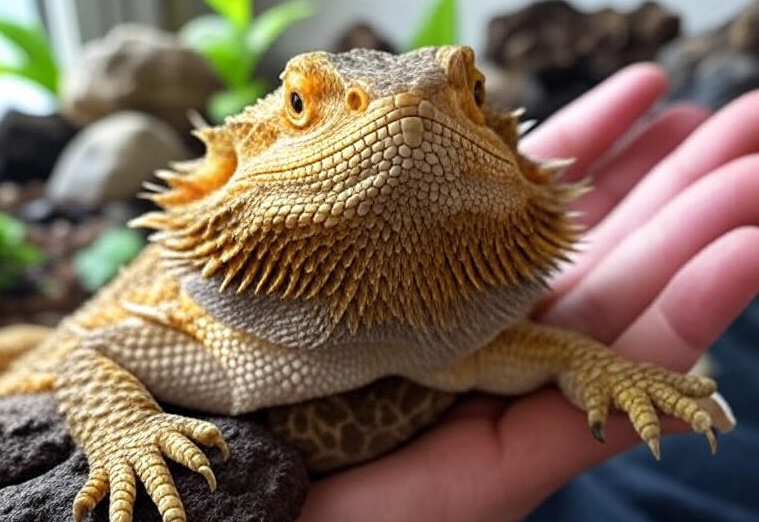
Breeding bearded dragons can be an exciting journey, but ensuring a safe nesting area for their eggs is critical to successful hatching and the health of the female dragon. A well-designed nesting area provides a comfortable space for the female to lay her eggs and optimal conditions for incubation. In this guide, we’ll walk through how to set up a safe nesting area, choose the right materials, and incubate eggs properly. Whether you’re a first-time breeder or refining your setup, these tips will help you support your bearded dragon’s reproductive process and give those eggs the best chance to thrive.
Why a Safe Nesting Area Matters for Bearded Dragon Eggs
A proper nesting area reduces stress for the gravid (egg-carrying) female and protects eggs from damage or improper development. Incorrect temperature, humidity, or substrate can lead to egg failure or health issues for the female, such as egg-binding. Dr. Stephanie Nelk, a reptile veterinarian, emphasizes, “A safe nesting environment is essential to prevent complications during egg-laying and ensure viable eggs.” By setting up a secure nesting area and incubator, you’ll create the ideal conditions for both the female and her clutch.
Understanding the Needs of a Gravid Bearded Dragon
Before setting up the nesting area, recognize the signs of a gravid female:
- Swollen Abdomen: A noticeably rounder belly indicates egg development.
- Restlessness or Digging: Increased digging or pacing suggests she’s ready to lay.
- Reduced Appetite: Gravid females may eat less as egg-laying approaches.
- Lethargy: She may spend more time resting or hiding.
Once you confirm your dragon is gravid, prepare a nesting area promptly to reduce stress and prevent egg-binding, a potentially fatal condition where eggs are retained.
How to Set Up a Safe Nesting Area
A safe nesting area mimics the natural environment where bearded dragons lay eggs. Here’s a step-by-step guide:
1. Choose a Nesting Box
- Size: Use a container at least 12x12x8 inches to give the female ample digging space. A plastic storage bin with a secure lid works well.
- Substrate: Fill the box with 6-8 inches of moist, sterile sand or a sand-soil mix, like Zoo Med ReptiSand, which is safe and encourages digging.
- Access: Ensure the box has a low entry for easy access, especially for a gravid female.
2. Create a Stress-Free Environment
- Hide: Place an Exo Terra Cocount Cave near the nesting box for the female to rest and feel secure.
- Lighting: Maintain a 12-hour light cycle with a Zoo Med ReptiSun UVB Bulb to support the female’s health during egg production.
- Privacy: Position the nesting box in a quiet corner of the tank, away from heavy traffic or loud noises.
3. Monitor Tank Conditions
- Temperature: Keep the tank’s basking spot at 95-100°F and the cool side at 75-80°F, monitored with a Fluker’s Digital Thermometer/Hygrometer. The nesting box should be 80-85°F to encourage laying.
- Humidity: Maintain tank humidity at 20-40%, but keep the nesting substrate slightly moist (like a wrung-out sponge) to aid digging.
As an Amazon Associate, I earn from qualifying purchases. Products like the Zoo Med ReptiSand and Exo Terra Cocount Cave are trusted by breeders for creating a safe nesting area.
4. Incubating the Eggs
Once the female lays her eggs, transfer them to an incubator:
- Incubator Choice: Use an Exo Terra Incubator to maintain stable conditions. Owners love this for its precise temperature and humidity control.
- Incubation Medium: Place eggs in a container with vermiculite or perlite (moistened to a 1:1 water-to-medium ratio by weight).
- Temperature: Set the incubator to 82-86°F, monitored with a Fluker’s Digital Thermometer/Hygrometer.
- Humidity: Maintain 70-80% humidity in the incubator to prevent egg desiccation.
| Aspect | Nesting Box | Incubator | Recommended Product |
|---|---|---|---|
| Substrate | Moist sand or sand-soil mix | Vermiculite or perlite | Zoo Med ReptiSand |
| Temperature | 80-85°F | 82-86°F | Fluker’s Digital Thermometer/Hygrometer |
| Humidity | Slightly moist substrate | 70-80% | Exo Terra Incubator |
| Purpose | Encourage egg-laying | Ensure egg development | Exo Terra Cocount Cave for female |
For a tailored setup, the Bearded Dragon Enclosure Calculator generates precise recommendations for nesting and incubation conditions based on your dragon’s needs.
Post-Laying Care for the Female
After laying, the female may be exhausted or dehydrated:
- Hydration: Offer fresh water in a shallow dish and a gentle soak to rehydrate.
- Nutrition: Provide nutrient-rich foods and supplements like Rep-Cal Herptivite Multivitamin to restore energy.
- Rest: Ensure a quiet environment with a cozy Exo Terra Cocount Cave for recovery.
- Vet Check: Consult a reptile veterinarian to confirm the female is healthy and free of egg-binding.
The Bearded Dragon Care Checklist helps track post-laying care tasks, ensuring your female dragon recovers smoothly.
Common Mistakes to Avoid
Avoid these pitfalls when setting up a nesting area:
- Incorrect Substrate: Dry or non-diggable substrates discourage laying. Use Zoo Med ReptiSand for optimal texture.
- Unstable Incubator Conditions: Fluctuations in temperature or humidity can harm eggs. Monitor with a Fluker’s Digital Thermometer/Hygrometer.
- Lack of Privacy: Stress can cause egg-binding. Include an Exo Terra Cocount Cave and minimize disturbances.
- Improper Lighting: Inadequate UVB weakens the female. Use a Zoo Med ReptiSun UVB Bulb consistently.
Myths About Bearded Dragon Egg Nesting
Let’s debunk some misconceptions:
- Myth: “Any container works for nesting.” Fact: A proper nesting box with Zoo Med ReptiSand is essential for digging.
- Myth: “Eggs don’t need an incubator.” Fact: An Exo Terra Incubator ensures stable conditions for hatching.
- Myth: “Females don’t need special care after laying.” Fact: Post-laying care with hydration and nutrition is critical.
Conclusion
Setting up a safe nesting area for bearded dragon eggs ensures a stress-free laying process and healthy egg development. By using products like Zoo Med ReptiSand, an Exo Terra Incubator, and a Fluker’s Digital Thermometer/Hygrometer, you can create ideal conditions for your gravid dragon and her clutch. Tools like the Bearded Dragon Enclosure Calculator and Bearded Dragon Care Checklist make setup and maintenance easy. Have you bred bearded dragons before? Share your tips or questions in the comments!
About the Author
I’m Dragon King, founder of BeardedBuddies.com and a reptile enthusiast with over seven years raising bearded dragons. My female dragon, Blaze, laid her first clutch last year, and using Zoo Med ReptiSand and an Exo Terra Cocount Cave made all the difference. I collaborate with herpetologists to share practical, trustworthy advice for dragon owners worldwide. All my tips are based on consultations with reptile experts and standard care practices.
BeardedBuddies.com collaborates with reptile experts to provide accurate, trustworthy care advice. This site participates in the Amazon Associates Program, earning from qualifying purchases.