
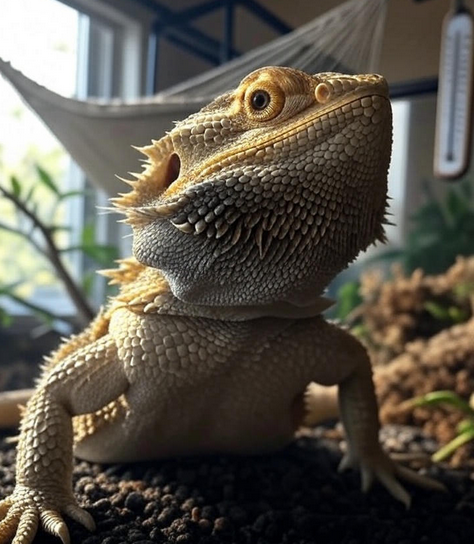
Watching your male bearded dragon bob his head or wave his arms can be puzzling— is he ready to mate or just full of energy? These behaviors are common, but telling them apart matters for his health and happiness. This guide breaks down the mating dance, signs of hyperactivity, and how to respond, with tips to keep your dragon balanced. We’ll explore causes, solutions, and when to worry, helping you decode your pet’s actions.
Understanding Male Bearded Dragon Behaviors
Male bearded dragons are expressive, using body language to communicate. The mating dance often involves rapid head-bobbing, stomping feet, and circling, especially around females or during spring breeding season. This is instinctual, signaling dominance or courtship.
Hyperactivity looks different—erratic running, glass surfing, or constant digging without purpose. It might stem from stress, boredom, or tank issues. Blaze, my dragon, once bobbled like crazy near a mirror, thinking it was a rival—turned out to be mating vibes, not excess energy. Spotting the difference starts with observation.
Tools like the Exo Terra Digital Thermometer help check if temps are causing restlessness—owners find it essential for behavior tweaks. As an Amazon Associate, I earn from qualifying purchases.
Signs of the Mating Dance
The mating dance is rhythmic and purposeful. Look for:
- Quick head bobs: Fast up-and-down motions, often with a puffed beard.
- Arm waving: Slow circling of one arm, a submissive or courting gesture.
- Stomping or circling: Males may stomp or chase to impress.
This peaks in breeding season (March to June), even without females, triggered by hormones. If your dragon’s over 18 months, it’s likely mating behavior. Vets note it’s normal but can stress if prolonged.
A Zoo Med Repti Hammock gives him a spot to display without harm—hard to find better for safe activity.
Causes of Hyperactivity in Male Dragons
Hyperactivity isn’t always mating—sometimes it’s from too much energy or problems. Common causes include:
- Tank too small: Adults need 40-75 gallons; cramped spaces lead to pacing.
- Poor lighting: Wrong UVB causes restlessness; use a Zoo Med ReptiSun 10.0 UVB Bulb for balance—experts recommend it to calm dragons.
- Diet issues: Overfeeding insects boosts energy; balance with greens dusted in Zoo Med Repti Calcium with D3.
- Stress: New environments or loud noises amp them up.
Blaze got hyper after a tank move, but adjusting his basking spot fixed it. If it’s constant, check for underlying health.
How to Tell Mating Dance from Hyperactivity
Context is key. Mating dance is directed—at a female, mirror, or during season—with pauses. Hyperactivity is random, like non-stop climbing or surfing glass, often with no trigger.
Track patterns: Mating lasts minutes, hyperactivity hours. Age matters—juveniles are more hyper, adults mate-focused. If unsure, a vet rules out illness.
Provide enrichment like a Fluker’s Repta-Bowl for hydration checks—owners love how it stabilizes routines.
Here’s a table to compare:
| Behavior Type | Signs | Causes | Solutions |
|---|---|---|---|
| Mating Dance | Head-bobbing, arm-waving, circling | Hormones, breeding season | Separate from females, monitor |
| Hyperactivity | Pacing, digging, glass surfing | Stress, small tank, diet | Enlarge enclosure, balance meals |
This helps pinpoint what’s going on.
Managing Mating Behavior
If it’s mating, manage to avoid stress. Separate males from females if aggression shows. Provide space for display, like a Zoo Med Repti Hammock—pet parents say it channels energy safely.
Neutering is rare but an option for chronic issues. Most settle after season. For more on behaviors, see bearded dragon head bobbing behavior.
Calming a Hyper Dragon
For hyperactivity, fix the root. Upgrade the tank if needed, ensure 12-hour light cycles with a Zoo Med ReptiSun 10.0 UVB Bulb. Add hides or toys for stimulation.
Diet tweaks help—cut insects if overfed, add calcium via Zoo Med Repti Calcium with D3 to prevent imbalances. Handle gently to build trust.
If it persists, vet for parasites or illness. Blaze’s hyper phase ended with better lighting—simple changes work wonders.
Check tail twitching meaning bearded dragons for related tips.
When to See a Vet
Seek help if behavior changes suddenly or with symptoms like weight loss. Vets can test for issues causing hyperactivity or excessive mating.
Regular checkups prevent problems. If your dragon’s aggressive, a pro assesses hormones.
Conclusion
Decoding if your male bearded dragon’s dancing for mates or just hyper comes down to patterns and context. With tools like the Exo Terra Digital Thermometer and Fluker’s Repta-Bowl, you can create a calm space. Seen similar antics? Share below or visit BeardedBuddies.com for more!
BeardedBuddies.com collaborates with reptile experts to provide accurate, trustworthy care advice. This site participates in the Amazon Associates Program, earning from qualifying purchases.
About the Author
Dragon King, founder of BeardedBuddies.com, has spent over seven years raising bearded dragons, with his companion Blaze leading the way. Once, Blaze did a wild head-bob routine thinking a toy was a mate, teaching Dragon King how lighting tweaks calm mating urges. As a dragon lover, he’s committed to educating owners worldwide, drawing on consultations with herpetologists like Dr. Stephanie Nelk and standard care practices.