
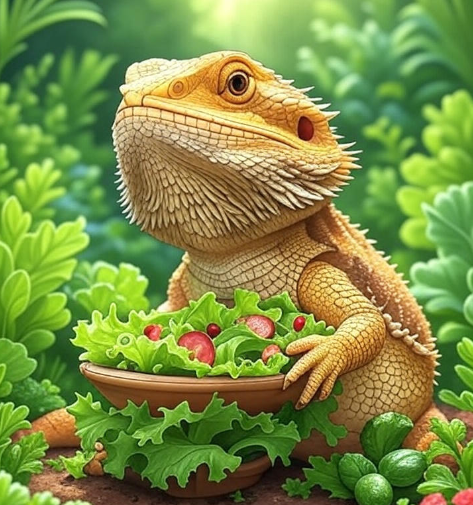
Bearded dragons are incredible pets, but getting them to munch on their greens can feel like a battle of wills. If your dragon turns its nose up at kale or dandelion greens, you’re not alone—many owners struggle to shift their beardie’s diet from insects to a balanced mix that includes vegetables. Greens are critical for a bearded dragon’s long-term health, providing essential vitamins, fiber, and hydration. This guide will walk you through practical, proven strategies to make greens irresistible to your scaly friend, drawing on expert advice and personal experience to ensure success.
Why Greens Matter for Your Bearded Dragon
Greens aren’t just a side dish—they’re a cornerstone of a healthy bearded dragon diet. In the wild, these reptiles consume a variety of plants alongside insects, and replicating this balance in captivity is key to preventing issues like obesity, digestive problems, or nutrient deficiencies. Leafy greens like collard greens, mustard greens, and dandelion leaves offer calcium, vitamin A, and fiber, which support bone health, vision, and digestion.
However, young bearded dragons often prefer insects, and even adults can be picky. According to Dr. Sarah Thompson, a reptile veterinarian, “A diet lacking greens can lead to metabolic bone disease or impaction, especially in dragons under two years old.” The challenge is making greens appealing without stressing your pet. Let’s explore how to do that.
Understanding Your Bearded Dragon’s Picky Eating
Before diving into solutions, it’s worth understanding why your bearded dragon might snub greens. Juveniles, in particular, are hardwired to crave protein-rich insects for growth, often ignoring vegetables. Adults may resist due to unfamiliarity, texture preferences, or even boredom with the same old greens. My own dragon, Blaze, once went a week giving me the stink-eye every time I offered him kale—he’d rather bask than eat!
Taste, smell, and presentation all play a role. Bearded dragons rely on visual cues and scent to identify food, so unappealing greens or a boring presentation can turn them off. The good news? With patience and a few tricks, you can rewire their preferences.
Top Strategies to Encourage Greens Consumption
Here are five practical, vet-approved strategies to get your bearded dragon excited about greens. These tips blend hands-on experience with expert insights to ensure your dragon gets the nutrition it needs.
1. Mix Greens with Favorite Foods
One of the easiest ways to introduce greens is to combine them with foods your dragon already loves. Chop greens finely and mix them with live insects like crickets or mealworms. The movement of the insects will draw your dragon’s attention, and they’ll likely ingest some greens in the process. Over time, they’ll associate the taste with their favorite treats.
As an Amazon Associate, I earn from qualifying purchases. For this trick, consider using the Fluker’s Repti-Boost Insectivore & Carnivore Supplement to dust greens with a flavor-packed powder. Owners swear by this supplement for making greens more enticing, and it’s packed with vitamins to boost health. Sprinkle a small amount on chopped collards or mustard greens, and watch your dragon dig in.
Pro Tip: Start with a 70:30 ratio of insects to greens, gradually increasing the greens over a few weeks.
2. Experiment with Variety and Presentation
Bearded dragons can get bored with the same greens, so variety is key. Offer a mix of safe options like dandelion greens, collard greens, turnip greens, or even grated squash. Each has a unique texture and flavor that might catch your dragon’s interest. Avoid spinach or lettuce, which can cause health issues due to high oxalate or low nutrient content.
Presentation matters too. Try hand-feeding small pieces to spark curiosity, or place greens in a shallow dish like the Exo Terra Feeding Dish. This sturdy, easy-to-clean dish keeps greens fresh and accessible, and its low profile encourages exploration. Blaze loves nudging his dish around before eating—it’s like a game for him!
Table: Safe Greens for Bearded Dragons
| Green | Benefits | Notes |
|---|---|---|
| Collard Greens | High calcium, fiber | Chop finely; widely available |
| Dandelion Greens | Vitamin A, antioxidants | Ensure pesticide-free if wild |
| Mustard Greens | Calcium, vitamin C | Slightly spicy, may appeal to some |
| Turnip Greens | Balanced nutrients, low oxalates | Rinse thoroughly before serving |
This table is concise and mobile-friendly, helping you choose the best greens for your dragon’s diet.
3. Use Supplements to Boost Appeal
Supplements can enhance the nutritional value and palatability of greens. Calcium is especially important to prevent metabolic bone disease, and dusting greens with a supplement can make them more appealing. The Zoo Med Repti Calcium with D3 is a favorite among owners for its fine powder that sticks well to greens without overwhelming the flavor. Use it sparingly—once or twice a week for adults, per veterinary guidelines.
For an extra boost, try the Zilla Fresh Spinach or Mixed Greens Reptile Food. These pre-packaged greens are formulated for reptiles, saving you time while ensuring safety and quality. They’re a great option if you’re struggling to source fresh, pesticide-free greens.
Free Tip for Reciprocity: Worried about overfeeding supplements? Use the Bearded Dragon Feeding Calculator to generate a tailored feeding plan based on your dragon’s age and weight. Owners love this tool for its precision, ensuring the right balance of greens, insects, and supplements.
4. Mimic Natural Feeding Behaviors
Bearded dragons are more likely to eat greens if they mimic their natural environment. Scatter greens around the enclosure to encourage foraging, or hang them from a clip to simulate plants in the wild. You can also slightly wilt greens under a heat lamp to release their aroma, making them more enticing.
Another trick is to feed greens in the morning when your dragon is most active and hungry. Blaze, for instance, ignored his greens one afternoon but devoured them at 8 a.m. the next day. Timing can make a big difference!
5. Transition Gradually with a Balanced Diet
If your dragon is used to an insect-heavy diet, a sudden switch to greens can cause stress or refusal. Gradually increase the proportion of greens over several weeks while reducing insects. For example, start with 10% greens and 90% insects, then shift to 20% greens the next week. Complement this with a balanced staple like Tetra ReptoMin Floating Food Sticks, which provide a familiar texture while supporting overall nutrition.
Myth-Busting: Some owners believe bearded dragons don’t need greens until adulthood. Not true! Even juveniles benefit from small amounts of greens to develop healthy eating habits early.
Common Mistakes to Avoid
When encouraging greens, steer clear of these pitfalls:
- Forcing Greens: Don’t withhold insects to “force” greens—it can stress your dragon and lead to malnutrition.
- Using Unsafe Greens: Avoid high-oxalate greens like spinach or rhubarb, which can bind calcium and cause health issues.
- Overloading Supplements: Too much calcium or vitamins can harm your dragon. Stick to vet-recommended doses.
- Ignoring Age Differences: Juveniles need more protein, while adults thrive on 50-70% greens. Adjust based on your dragon’s life stage.
Conclusion: Building Healthy Eating Habits
Getting your bearded dragon to eat greens takes patience, creativity, and a bit of experimentation, but the payoff is a healthier, happier pet. By mixing greens with favorite foods, offering variety, using supplements, mimicking natural behaviors, and transitioning gradually, you can turn even the pickiest dragon into a greens enthusiast. Have a tip that worked for your beardie? Share it in the comments below—I’d love to hear how you’ve tackled this challenge!
BeardedBuddies.com collaborates with reptile experts to provide accurate, trustworthy care advice. This site participates in the Amazon Associates Program, earning from qualifying purchases.
About the Author
Dragon King, founder of BeardedBuddies.com, has spent over seven years raising bearded dragons, with his trusty companion Blaze stealing the show. Once, Blaze turned his snout up at a pile of collard greens, only to fall in love when they were mixed with his favorite crickets. A passionate reptile enthusiast, Dragon King collaborates with herpetologists to share practical, vet-backed advice with owners worldwide. All tips are based on standard reptile care practices and expert consultations. Follow his journey to help your dragon thrive!