
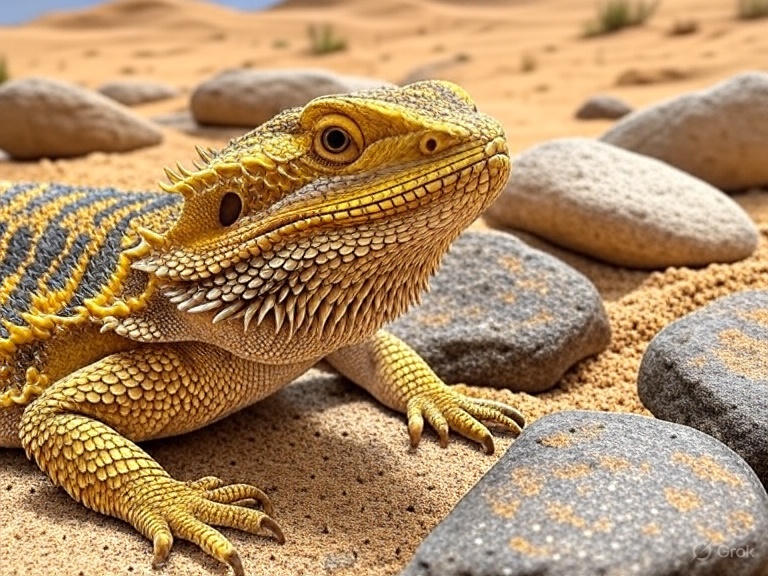
Providing your bearded dragon with the right nutrition doesn’t have to rely on store-bought products alone. Calcium is crucial for their bone health, especially for growing juveniles, and making your own powder can be a cost-effective solution. When I started experimenting with homemade calcium for my bearded dragon, Blaze, I noticed his energy pick up after tweaking his diet with a simple recipe. This guide walks you through creating homemade calcium powder for bearded dragons using natural ingredients, ensuring a safe and budget-friendly supplement. Whether you’re looking to save money or customize their care, these steps will help you support your dragon’s well-being.
Why Calcium Is Essential for Bearded Dragons
Bearded dragons need calcium to build strong bones and prevent metabolic bone disease (MBD), a common issue causing soft bones or deformities. In the wild, they get it from a varied diet and sunlight, but in captivity, their insect-heavy meals (especially for juveniles) often lack enough. Without sufficient calcium, especially paired with vitamin D3 for absorption, they risk weakness or fractures.
Veterinarian Dr. Stephanie Nelk, a reptile expert, emphasizes that calcium deficiencies are a leading health concern, particularly in young dragons. Adults need it too, though less frequently, to maintain bone density. A homemade option lets you control quality and avoid additives, making it a practical addition to their routine.
Ingredients for Homemade Calcium Powder
You can source calcium-rich ingredients from your kitchen or local stores. Here are the best options:
- Eggshells: A natural, high-calcium source (about 380 mg per gram).
- Crushed Oyster Shells: Available at pet or garden stores, rich in calcium carbonate.
- Bone Meal: From cooked bones (e.g., chicken), ground finely for a potent boost.
- Sepia (Cuttlebone): Commonly used for birds, also a great calcium source.
Avoid unwashed shells or bones with meat residue, as they can harbor bacteria. I used eggshells for Blaze’s mix, rinsing and drying them first for safety.
Step-by-Step Guide to Making Calcium Powder
Step 1: Collect and Clean Ingredients
Gather eggshells, oyster shells, bone meal, or cuttlebone. Rinse eggshells under warm water to remove membrane, then boil for 10 minutes to kill bacteria. For bones, cook thoroughly, remove all meat, and clean. Air dry all items completely.
Step 2: Dry and Prepare
Bake eggshells or oyster shells at 250°F for 10-15 minutes to remove moisture and sterilize further. Let cool. For bones, bake at 200°F for 30 minutes after cleaning. Break cuttlebone into smaller pieces if needed.
Step 3: Grind into Powder
Use As an Amazon Associate, I earn from qualifying purchases. Mortar and Pestle Set* to grind the dried materials into a fine powder. Work in small batches for even consistency—owners find this tool reliable for a smooth texture. Sift through a fine mesh strainer to remove larger particles.
Step 4: Store and Use
Store the powder in an airtight container in a cool, dry place. Dust feeder insects or mix into salads lightly, using about 1/4 teaspoon per feeding for juveniles (adjust for adults). Test on a small batch first to ensure your dragon accepts it.
Safety Tips for Homemade Calcium
- Use only clean, sterilized ingredients to avoid contamination.
- Avoid adding vitamin D3 at home—rely on UVB lighting or vet-approved supplements.
- Check for signs of over-supplementation (e.g., constipation) and consult a vet if noticed.
- Keep powder away from moisture to prevent clumping or mold.
- Supervise initial feedings to ensure safe consumption.
Enhancing Your Calcium Powder
Add a pinch of ground eggshell to gut-load insects for an extra boost. Pair with a balanced diet of 70% insects and 30% greens for juveniles. The Bearded Dragon Feeding Calculator helps tailor portions—few tools offer such precise guidance.
For a ready-made option, As an Amazon Associate, I earn from qualifying purchases. Zoo Med Repti Calcium with D3* is a trusted choice, though DIY saves money long-term. Use As an Amazon Associate, I earn from qualifying purchases. Non-Adhesive Shelf Liner* on feeding surfaces to keep powder contained.
Here’s a comparison of calcium sources:
| Source | Calcium Content | Pros | Cons |
|---|---|---|---|
| Eggshells | High (380 mg/g) | Free, natural | Time-intensive to prep |
| Oyster Shells | Very High | Easy to find | May need grinding |
| Bone Meal | High | Nutrient-dense | Requires cooking |
| Cuttlebone | High | Ready to grind | Less common |
This table helps you choose based on availability and effort.
Maintenance and Storage
Check powder for clumps monthly, discarding if moist. Label containers with the date to track freshness (use within 6 months). Clean your As an Amazon Associate, I earn from qualifying purchases. Mortar and Pestle Set* after each use to avoid cross-contamination.
Common Mistakes to Avoid
Don’t skip sterilization—unclean ingredients can cause illness. Avoid over-dusting, which can lead to hypercalcemia. Don’t mix with water, as it alters potency. Using unapproved additives (e.g., human vitamins) can harm your dragon.
The Bearded Dragon Care Checklist offers a downloadable guide to avoid errors—owners love its thoroughness.
Busting Calcium Myths
Myth: Any powder works. Fact: Only calcium-specific sources are safe. Myth: More is better. Fact: Excess can cause health issues. Myth: Store-bought is always needed. Fact: DIY can be just as effective with care. Test small amounts to find the right fit.
Conclusion
Homemade calcium powder is a budget-friendly way to support your bearded dragon’s health. Follow these steps, use safe ingredients, and use the Bearded Dragon Feeding Calculator for accuracy. Share your recipe tweaks in the comments or tell us how Blaze reacted to his mix!
BeardedBuddies.com collaborates with reptile experts to provide accurate, trustworthy care advice. This site participates in the Amazon Associates Program, earning from qualifying purchases.
About the Author
Dragon King is the founder of BeardedBuddies.com and a reptile enthusiast with over seven years of experience. His bearded dragon, Blaze, once showed weak legs until a homemade calcium mix turned things around, fueling Dragon King’s interest in natural care. He works with herpetologists to share practical, vet-backed tips, helping beardie owners worldwide. All advice is based on expert consultations and standard care practices.