
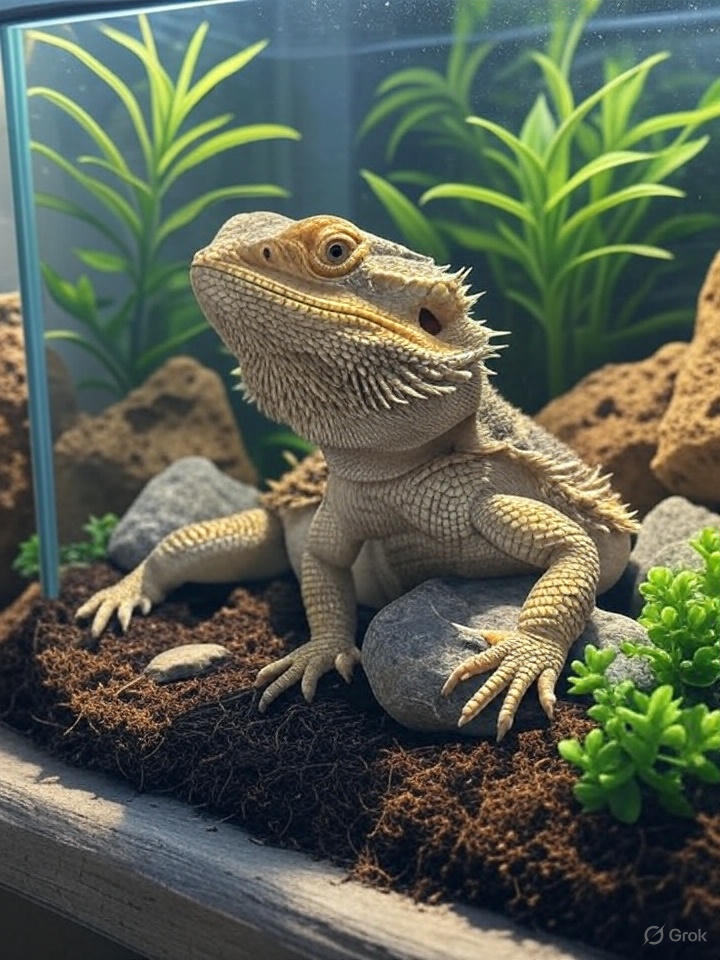
As bearded dragons enter their senior years, typically around 7-10 years old, their dietary needs shift due to slower metabolism, reduced activity, and age-related health changes. Adjusting their feeding schedule is key to keeping them healthy, comfortable, and full of life. A tailored diet can prevent obesity, support digestion, and address common senior issues like reduced appetite or dental problems. In this guide, we’ll explore how to adjust feeding schedules for senior bearded dragons, including portion sizes, food choices, and practical tips to ensure their golden years are vibrant. Whether your dragon is slowing down or still basking with gusto, these steps will help you meet their needs.
Why Feeding Schedules Matter for Senior Bearded Dragons
Senior bearded dragons have different nutritional requirements than their younger counterparts. Their slower metabolism means they need fewer calories, but their need for specific nutrients, like calcium and vitamins, remains high to support aging bones and organs. Dr. Stephanie Nelk, a reptile veterinarian, notes, “A well-adjusted feeding schedule for senior bearded dragons can prevent health issues like obesity or impaction while ensuring they get essential nutrients.” By fine-tuning their diet, you’ll help your dragon stay healthy and comfortable in their later years.
Signs Your Senior Bearded Dragon Needs a Feeding Adjustment
Before adjusting the feeding schedule, watch for signs that your senior dragon’s needs are changing:
- Reduced Appetite: Eating less or refusing insects may indicate a slower metabolism or dental issues.
- Weight Gain or Loss: Obesity from overfeeding or weight loss from poor nutrition signals a need for change.
- Lethargy: Less activity or basking could suggest digestive discomfort or inadequate nutrition.
- Soft Stools or Impaction: Digestive issues may point to improper food types or portions.
- Dental Problems: Difficulty chewing hard insects or greens may require softer foods.
If these signs persist, consult a reptile veterinarian to rule out underlying health issues and get tailored advice.
How to Adjust Feeding Schedules for Seniors
A senior bearded dragon’s feeding schedule should focus on smaller, nutrient-dense meals and proper supplementation. Here’s a recommended daily routine:
| Time | Task | Purpose | Recommended Product/Tool |
|---|---|---|---|
| Morning (9-10 AM) | Offer greens and soft foods | Provide easy-to-digest nutrition | Exo Terra Feeding Dish, Rep-Cal Herptivite Multivitamin |
| Midday (12-1 PM) | Offer water, check tank conditions | Support hydration and digestion | Exo Terra Water Dish, Fluker’s Digital Thermometer/Hygrometer |
| Afternoon (3-4 PM) | Optional small insect feeding | Boost protein for active seniors | Exo Terra Feeding Dish, Fluker’s Repti Boost |
| Evening | Remove uneaten food | Maintain hygiene, prevent spoilage | Exo Terra Feeding Dish |
As an Amazon Associate, I earn from qualifying purchases. Products like the Exo Terra Feeding Dish and Rep-Cal Herptivite Multivitamin are must-haves for senior dragon owners to ensure proper nutrition.
Morning Feeding
- Greens and Soft Foods: Offer a variety of chopped greens (collards, dandelion greens, mustard greens) and soft vegetables (mashed squash, grated carrots) in an Exo Terra Feeding Dish. These are easier for seniors to chew and digest.
- Supplementation: Dust greens or insects with Rep-Cal Herptivite Multivitamin 1-2 times weekly to ensure adequate vitamin A and other nutrients. Use calcium supplements 2-3 times weekly.
Midday Care
- Hydration: Refresh the Exo Terra Water Dish daily and offer a shallow soak 1-2 times a week to aid digestion and hydration, which is crucial for seniors.
- Tank Conditions: Check temperatures (basking: 95-100°F; cool side: 75-80°F) and humidity (20-40%) with a Fluker’s Digital Thermometer/Hygrometer to support digestion.
Afternoon Feeding (Optional)
- Insects: For active seniors, offer a small portion of soft-bodied insects (e.g., dubia roaches, small crickets) 2-3 times weekly in an Exo Terra Feeding Dish. Avoid hard-shelled insects like mealworms, which can be tough for seniors to digest.
- Nutritional Boost: If appetite is low, use Fluker’s Repti Boost to provide high-calorie nutrition. Owners love this for helping seniors regain energy.
Evening Maintenance
- Clean Up: Remove uneaten food from the Exo Terra Feeding Dish to prevent spoilage and maintain tank hygiene.
- Monitor Health: Observe your dragon’s eating habits and stool consistency to catch issues early.
For a customized feeding plan, the Bearded Dragon Feeding Calculator generates tailored portions based on your senior dragon’s age and weight, making daily care a breeze.
Tips for Feeding Senior Bearded Dragons
To optimize your senior dragon’s feeding schedule:
- Smaller, Frequent Meals: Offer smaller portions once or twice daily to avoid overloading their slower digestive system.
- Softer Foods: Prioritize soft greens and mashed veggies to accommodate dental issues or weaker jaws.
- Supplements: Use Fluker’s Repti Boost for dragons with reduced appetite and Rep-Cal Herptivite Multivitamin to prevent deficiencies.
- Warm Basking Area: Ensure a basking spot of 95-100°F, checked with a Fluker’s Digital Thermometer/Hygrometer, to aid digestion.
- Veterinary Checkups: Regular vet visits can catch dental or digestive issues early, ensuring the feeding schedule meets your dragon’s needs.
The Bearded Dragon Care Checklist is a lifesaver for tracking feeding, supplementation, and tank maintenance tasks, ensuring your senior dragon’s routine is spot-on.
Common Mistakes to Avoid
Avoid these pitfalls when adjusting feeding schedules:
- Overfeeding Insects: Too many insects can lead to obesity. Limit to 2-3 times weekly for seniors.
- Skipping Supplements: Seniors need consistent vitamins. Use Rep-Cal Herptivite Multivitamin as directed.
- Ignoring Hydration: Dehydration worsens digestion. Keep a clean Exo Terra Water Dish available.
- Inconsistent Temperatures: Poor basking temperatures hinder digestion. Monitor with a Fluker’s Digital Thermometer/Hygrometer.
Myths About Feeding Senior Bearded Dragons
Let’s clear up some misconceptions:
- Myth: “Seniors need the same diet as juveniles.” Fact: Seniors require fewer insects and softer foods to match their slower metabolism.
- Myth: “Supplements aren’t necessary for older dragons.” Fact: Products like Rep-Cal Herptivite Multivitamin are critical for preventing deficiencies.
- Myth: “Water dishes are optional.” Fact: A Exo Terra Water Dish supports hydration and digestion.
Conclusion
Adjusting feeding schedules for senior bearded dragons ensures they stay healthy and comfortable in their later years. By offering nutrient-dense, easy-to-digest foods in an Exo Terra Feeding Dish, supplementing with Rep-Cal Herptivite Multivitamin and Fluker’s Repti Boost, and monitoring conditions with a Fluker’s Digital Thermometer/Hygrometer, you’ll meet their unique needs. Tools like the Bearded Dragon Feeding Calculator and Bearded Dragon Care Checklist simplify the process. How’s your senior dragon’s feeding routine? Share your tips or ask for advice in the comments!
About the Author
I’m Dragon King, founder of BeardedBuddies.com and a reptile enthusiast with over seven years raising bearded dragons. My senior dragon, Blaze, became pickier with age, but using Fluker’s Repti Boost and the Bearded Dragon Feeding Calculator kept him thriving. I collaborate with herpetologists to share practical, trustworthy advice for dragon owners worldwide. All my tips are based on consultations with reptile experts and standard care practices.
BeardedBuddies.com collaborates with reptile experts to provide accurate, trustworthy care advice. This site participates in the Amazon Associates Program, earning from qualifying purchases.