
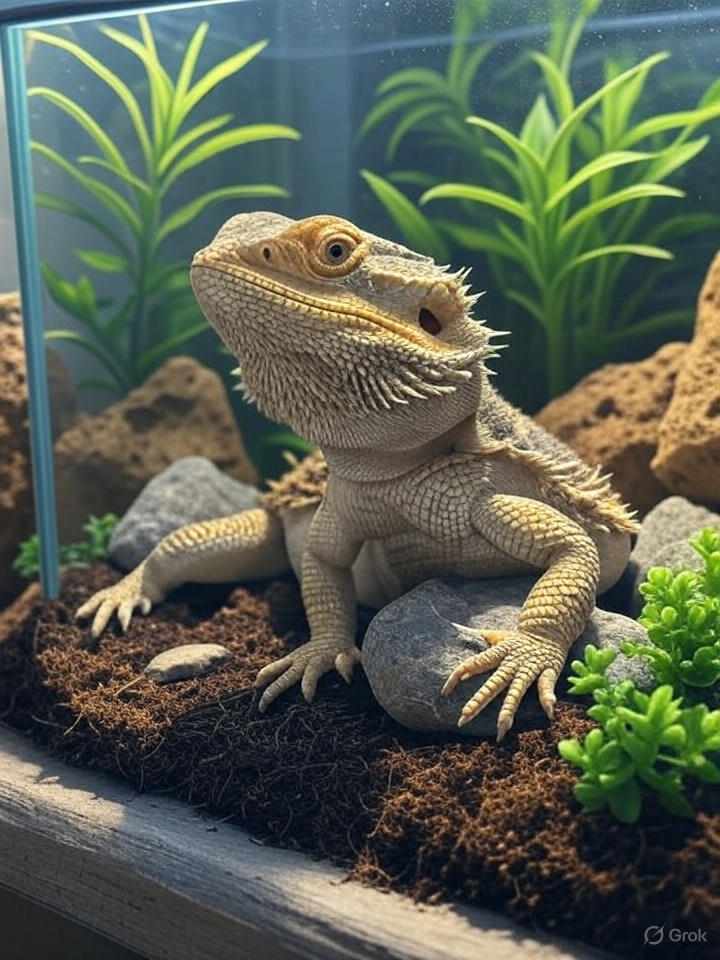
Bearded dragon morphs, with their stunning colors and patterns, are a big draw for reptile enthusiasts. From vibrant citrus to sleek leatherbacks, these variations make every dragon unique. But if you’re thinking about breeding, you might wonder: can different bearded dragon morphs be bred together? The short answer is yes, but there’s a lot to consider to ensure healthy offspring and ethical practices. In this guide, we’ll explore morph breeding compatibility, genetic outcomes, potential risks, and tips for responsible breeding. Whether you’re a hobbyist or a seasoned breeder, understanding bearded dragon genetics is key to success.
What Are Bearded Dragon Morphs?
Morphs are variations in a bearded dragon’s appearance, like color, scale texture, or pattern, caused by genetic mutations. Common morphs include:
- Normal/Wild-Type: Classic brown/tan with standard scales.
- Hypo: Reduced dark pigmentation, brighter colors.
- Translucent: Semi-transparent scales, often with visible veins.
- Leatherback: Smoother scales due to reduced spiking.
- Citrus: Bright yellow or orange hues.
These traits are inherited, and breeding different morphs can produce exciting combinations. However, not all pairings are straightforward. To predict outcomes, the Bearded Dragon Morph Predictor is a fantastic tool for mapping potential offspring traits.
Can You Breed Different Morphs Together?
Yes, different bearded dragon morphs can be bred together, as they’re all part of the same species (Pogona vitticeps). Unlike some animals where subspecies can’t interbreed, bearded dragon morphs are genetically compatible. However, the results depend on the genetics of the parents. Morphs are defined by dominant, recessive, or co-dominant traits:
- Dominant: Traits like normal scales often override others.
- Recessive: Traits like hypo need both parents to carry the gene to appear.
- Co-dominant: Traits like leatherback blend in unique ways.
Breeding a hypo with a leatherback, for example, could produce offspring with both traits if the genetics align. To support breeding dragons’ health, dust their food with Zoo Med Repti Calcium with D3* to ensure strong bones and egg development.
Genetic Outcomes of Morph Breeding
When you breed different morphs, the offspring inherit a mix of traits based on Mendelian genetics. Here’s a simplified look:
- Homozygous vs. Heterozygous: A dragon homozygous for a trait (e.g., hypo) will pass it on reliably, while a heterozygous dragon (carrying one copy) has a 50% chance.
- Combinations: Pairing a citrus (color morph) with a leatherback (scale morph) might produce citrus-colored leatherbacks, depending on gene dominance.
- Surprises: Some traits, like translucent, can pop up unexpectedly if both parents are carriers.
For example, breeding a translucent hypo with a normal morph could yield a mix of normal, hypo, translucent, or hypo-translucent babies. The Bearded Dragon Morph Predictor can help estimate these outcomes.
Risks and Considerations
Breeding different morphs isn’t just about cool patterns—it comes with responsibilities. Here are key risks to watch for:
Health Issues
Some morphs, like silkbacks (extreme leatherbacks), are prone to skin issues or temperature regulation problems. Breeding for extreme traits can amplify health risks if not done carefully. Ensure parents are healthy by providing a balanced diet with Fluker’s Repta-Bowl (Medium)* for clean, consistent feeding.
Genetic Weakness
Overbreeding certain morphs, like translucent or zero (no pigment), can lead to weaker offspring if genetic diversity isn’t maintained. Avoid repeated inbreeding to prevent issues like reduced fertility.
Ethical Breeding
Flooding the market with morphs can lower their value and lead to overpopulation. Only breed with a clear plan for the offspring, ensuring they go to responsible homes. Research local regulations, as some areas require permits for breeding reptiles.
Egg-Laying Stress
Female dragons lay eggs regardless of fertilization, which can strain their health. Support egg development with proper nutrition and consider an Exo Terra Incubator* to maintain ideal conditions for fertile eggs.
Morph Breeding Compatibility Table
To guide your breeding decisions, here’s a table showing common morph pairings, their potential outcomes, and considerations.
| Parent Morphs | Possible Offspring Traits | Considerations |
|---|---|---|
| Normal x Hypo | Normal, Hypo (if carrier) | Check for hypo gene in normal parent |
| Leatherback x Trans | Leatherback, Trans, or both | Monitor for skin sensitivity |
| Citrus x Leatherback | Citrus, Leatherback, or combo | Ensure vibrant color expression |
| Hypo x Zero | Hypo, Zero, or Hypo-Zero | Avoid overbreeding zero for health |
| Silkback x Normal | Leatherback or Normal | Silkback offspring may need extra care |
This table simplifies complex genetics but helps plan pairings. Always prioritize dragon health over aesthetics.
Tips for Responsible Morph Breeding
Breeding morphs can be rewarding if done thoughtfully. Here’s how to do it right:
- Choose Healthy Parents: Select dragons over 18 months, at least 400 grams, and free of health issues. Feed them a nutrient-rich diet using Zilla Reptile Terrarium Bedding Substrate* for a comfortable enclosure.
- Understand Genetics: Research parent morphs’ genes to predict outcomes. Use tools like the Bearded Buddies morph predictor.
- Monitor Conditions: Keep enclosures at 95-100°F basking, 80-85°F cool side, with 30-40% humidity. An incubator like the Exo Terra Incubator* ensures eggs hatch safely.
- Vet Support: Consult a reptile vet before breeding to check for underlying issues.
- Plan for Babies: Have homes or a sales plan ready to avoid overwhelming your space.
For more care tips, the Bearded Dragon Care Checklist is a great starting point.
Common Myths About Morph Breeding
Let’s debunk some misconceptions about bearded dragon morph breeding:
- Myth: All morphs produce healthy offspring.
- Fact: Some morphs, like silkbacks, can have health challenges if not bred carefully.
- Myth: Morph breeding is just mixing colors.
- Fact: It involves complex genetics, and reckless pairings can weaken bloodlines.
- Myth: You don’t need special equipment.
- Fact: Proper incubation and enclosure setups are critical for success.
Staying informed ensures your breeding efforts are ethical and effective.
Conclusion
Breeding different bearded dragon morphs is absolutely possible and can produce stunning results, but it requires knowledge, planning, and care. By understanding genetics, prioritizing health, and using tools like the Bearded Dragon Morph Predictor, you can create vibrant, healthy offspring. Have you tried breeding morphs or have questions about pairings? Drop them in the comments—let’s share the journey of creating the next generation of dragons!
About the Author
Dragon King, founder of BeardedBuddies.com, has over seven years of experience raising bearded dragons, including his beloved Blaze, a hypo citrus. His passion is helping owners navigate reptile care with practical, vet-backed advice. When Blaze’s vibrant offspring hatched from a carefully planned pairing, Dragon King saw the magic of morph breeding firsthand. Drawing on herpetologist insights, he offers tips to make breeding and care rewarding for all.
* This site participates in the Amazon Associates Program, earning from qualifying purchases.