
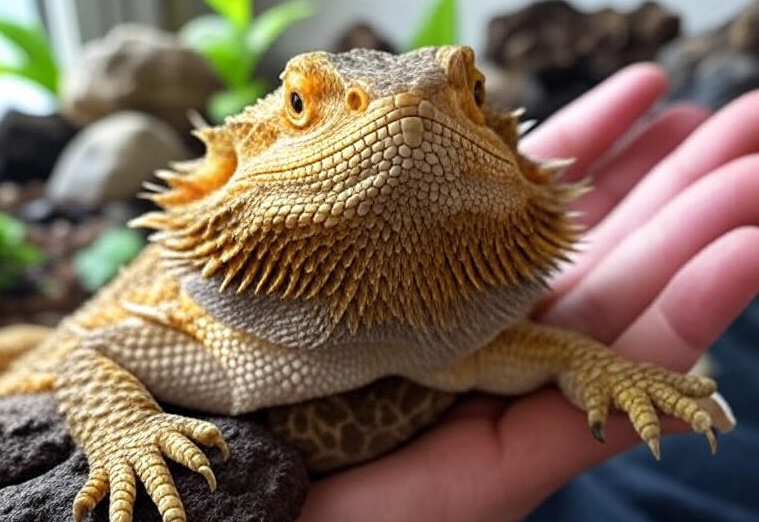
Bearded dragons are a delight to care for, but as the summer heat intensifies in July 2025, selecting the right tank setup is more important than ever. A common question among owners is whether calcium sand makes a safe substrate for these desert reptiles. With temperatures soaring, the wrong choice could jeopardize your dragon’s health. This guide explores what calcium sand entails, its potential risks, safer alternatives, practical setup tips, and a Q&A to address your concerns. Let’s create a safe haven for your bearded dragon this season!
Understanding Calcium Sand
What It Is and Its Appeal
Calcium sand, crafted from ground calcium carbonate, is a widely marketed substrate designed to mimic the desert sands of a bearded dragon’s natural habitat. Its golden tones transform enclosures into a mini outback, appealing to owners seeking aesthetics. The promise of a calcium boost if ingested adds to its allure, suggesting a dual-purpose product that decorates and supplements.
The Expert Perspective
However, its safety is under scrutiny. Dr. Stephanie Nelk, a reptile veterinarian, warns that the calcium benefit is negligible compared to proper supplementation, with risks often overshadowing advantages. As we navigate the warm evenings of late July, rethinking this substrate could safeguard your dragon’s well-being.
Risks Associated with Calcium Sand
Calcium sand poses several hazards that can’t be ignored. The primary risk is impaction—when dragons swallow sand while eating or digging, it can form clumps in their digestive system, potentially causing blockages. This danger escalates for juveniles or active adults, especially in humid summer conditions that worsen clumping.
Dust from low-quality sand can also irritate respiratory systems, a concern as tanks heat up. Over time, it may disrupt natural calcium balance, ironically leading to metabolic bone disease. Owners who’ve transitioned away often cite relief from noticing lethargy or digestive troubles—evidence that safer options are worth exploring.
Struggling to monitor these risks? The Bearded Dragon Care Checklist from BeardedBuddies.com is a game-changer. Owners rave about its downloadable, age-specific plans, including substrate safety checks—ideal for staying ahead of summer health issues.
Safer Substrate Alternatives
If calcium sand isn’t suitable, what works better? Consider these options. The Zilla Reptile Terrarium Liner*, a reptile carpet, is prized for its easy cleaning and zero impaction risk—owners trust it for worry-free care. As an Amazon Associate, I earn from qualifying purchases. Its safety and style combo is hard to find.
For a naturalistic touch, the Zoo Med Excavator Clay Burrowing Substrate* allows digging without loose particles, addressing ingestion concerns. It’s durable but requires moisture control. Tile or slate offers a non-porous, sanitizable surface, perfect for humid days.
Supplement with Zoo Med Repti Calcium with D3 (48 oz)* to ensure proper nutrition—owners love its reliability in preventing bone problems, making it a summer essential.
Setting Up a Safe Enclosure
Choosing and Placing Substrates
Start with even substrate placement to prevent uneven spots where ingestion might occur. The Zilla Reptile Terrarium Liner* lays flat for safety, while the Zoo Med Excavator Clay Burrowing Substrate* needs a moist base for shaping—monitor humidity to avoid excess.
Monitoring Conditions
Use the Zoo Med Digital MIN MAX Thermometer* to track temperature and humidity, catching issues early in July’s heat. The Bearded Dragon Enclosure Calculator on BeardedBuddies.com customizes tank size and substrate depth by age and length—few tools offer such precise guidance, saving you from setup pitfalls.
Avoiding Common Mistakes
Pitfalls to Watch For
A common mistake is assuming calcium sand is safe if your dragon doesn’t eat it—ingestion can happen subtly. Neglecting cleaning, even with safe substrates, invites bacteria, amplified by summer humidity.
Practical Tips
Spot-clean daily, deep-clean monthly, and check for impaction signs like constipation. Test clay substrates in a small area first. For calcium, rely on Zoo Med Repti Calcium with D3 (48 oz)*—owners depend on it for strong bones.
Q&A: Addressing Your Concerns
Q: Can my dragon handle calcium sand digestion?
A: No, it often leads to impaction. Switch to Zilla Reptile Terrarium Liner* or Zoo Med Excavator Clay Burrowing Substrate* instead.
Q: Is it safe for adult bearded dragons?
A: Even adults risk impaction. Use tile or Zilla Reptile Terrarium Liner, monitored with Zoo Med Digital MIN MAX Thermometer.
Q: How do I maintain these alternatives?
A: Vacuum or wipe daily, deep-clean monthly. Add “substrate check” to your Bearded Dragon Care Checklist for consistency.
Q: What about a digging dragon?
A: The Zoo Med Excavator Clay Burrowing Substrate* supports digging safely when properly set up.
Conclusion
Is calcium sand safe for bearded dragons? Generally, no—its risks, like impaction and humidity issues, outweigh benefits, especially in July’s warmth. Choose safer options like reptile carpet or clay, paired with proper supplementation and monitoring. Each dragon is unique, so observe their habits and adapt. Have a substrate tip to share? Drop it below—we’d love to hear! A safe setup guarantees a healthy pet all summer.
About the Author
Dragon King here, founder of BeardedBuddies.com and a reptile enthusiast with over seven years raising bearded dragons. My five-year-old dragon, Blaze, once sampled calcium sand, leading me to switch to tile—a move that paid off! Advice stems from herpetologist insights, like Dr. Stephanie Nelk’s, and proven practices. Join our community for more tips!
BeardedBuddies.com collaborates with reptile experts to provide accurate, trustworthy care advice. This site participates in the Amazon Associates Program, earning from qualifying purchases.