
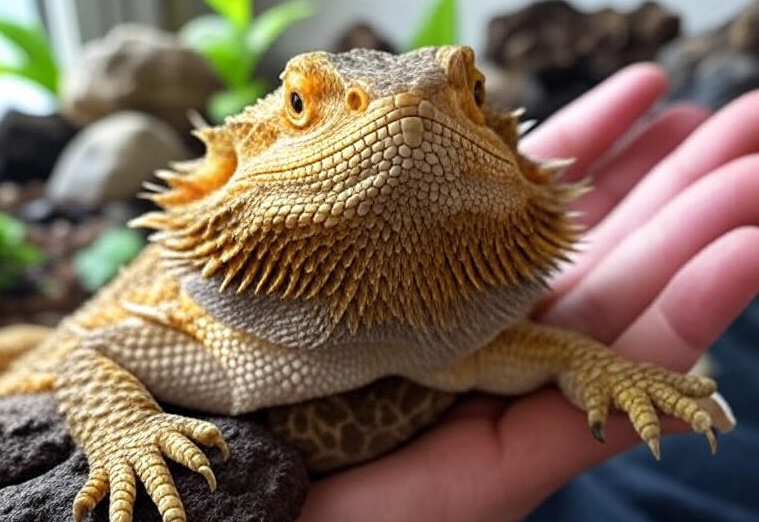
Bearded dragons are resilient pets, but sometimes surgery is necessary to address health issues like impaction, egg binding, or tumors. If your scaly friend faces a procedure, understanding anesthesia is key to easing your worries and ensuring a smooth recovery. This guide walks you through what to expect before, during, and after bearded dragon surgery, with practical tips to support your pet. From anesthesia safety to post-op care, we’ll cover the essentials to help you feel prepared and confident.
Understanding Anesthesia for Bearded Dragons
Anesthesia is used to sedate your bearded dragon, ensuring they feel no pain during surgery. Reptile anesthesia is specialized due to their unique physiology—cold-blooded metabolism and sensitive respiratory systems require precise dosing. Vets typically use injectable drugs like propofol or inhalant gases like isoflurane, tailored to your dragon’s size and condition.
The process starts with a pre-anesthetic exam to check vitals like heart rate and weight. Your vet may recommend fasting for 12-24 hours to reduce regurgitation risks, which is critical for anesthesia safety. During surgery, the vet monitors breathing and temperature closely, as dragons can’t regulate body heat well under sedation.
Anesthesia isn’t without risks—overdosing can depress respiration, while underdosing may cause stress. That’s why choosing an experienced reptile vet is crucial. Dr. Stephanie Nelk, a reptile veterinarian, emphasizes that a skilled vet will adjust anesthesia based on real-time vitals, minimizing complications.
To support recovery, maintaining proper enclosure temperature is vital. Many owners rely on the Zoo Med ZML Thermostat REPTITEMP DIG* to monitor tank conditions accurately, addressing the common worry of post-anesthesia hypothermia. As an Amazon Associate, I earn from qualifying purchases. This tool’s precision is a favorite among keepers for ensuring a stable recovery environment.
Common Reasons for Bearded Dragon Surgery
Surgery is rare but may be needed for specific conditions. Here’s a table summarizing common procedures, their reasons, and anesthesia considerations:
| Procedure | Reason | Anesthesia Type | Recovery Notes |
|---|---|---|---|
| Impaction Removal | Blocked digestive tract | Injectable or gas | Hydration and soft foods critical. |
| Egg Binding Surgery | Retained eggs in females | Gas (isoflurane) | Warmth and rest; monitor for infection. |
| Tumor Removal | Benign or malignant growths | Injectable + gas | Pain management; vet follow-ups. |
| Amputation | Severe injury (e.g., tail) | Gas anesthesia | Clean enclosure; limit stress. |
These procedures require anesthesia to keep your dragon comfortable. Impaction, often from improper substrate or diet, is a top concern, and surgery may be urgent if unresolved. Egg binding is common in females, especially if breeding conditions aren’t ideal. Tumors or injuries, though less frequent, also demand skilled intervention.
Post-surgery, your dragon’s appetite may dip. A product like Nature Zone Bearded Dragon Salad Dressing* can entice eating, solving the challenge of getting nutrients into a recovering dragon. Owners love its ability to make veggies appealing during this critical time.
Preparing Your Bearded Dragon for Surgery
Preparation starts with a vet consultation. Expect blood tests or X-rays to assess your dragon’s health and anesthesia tolerance. Follow fasting instructions precisely—usually no food for 12-24 hours, but water is okay until a few hours before. Remove loose substrate from the enclosure to prevent irritation during recovery.
Set up a recovery tank with stable heat and humidity. The Zoo Med ZML Thermostat REPTITEMP DIG* is a must-have for checking temperatures, as post-anesthesia dragons are prone to chilling. This hard-to-find tool gives owners peace of mind with its reliable readings.
Hydration is key pre-surgery. Offer water in a shallow dish like the REPTIZOO Reptile Water Bowl*, which is sturdy and perfect for soaking or drinking. For larger dragons, the REPTIZOO Reptile Water Bowl (Large)* provides ample space, ensuring comfort during prep and recovery.
What Happens During Surgery
On surgery day, your vet will sedate your dragon, often starting with an injectable anesthetic to induce sleep, followed by gas to maintain it. The vet uses monitoring equipment to track heart rate, respiration, and temperature. A heat pad or lamp may be used to keep your dragon warm, as anesthesia lowers their ability to thermoregulate.
The procedure’s length depends on complexity—impaction removal may take 30-60 minutes, while tumor surgery could be longer. Your vet will stitch or glue incisions, often using absorbable sutures to minimize follow-up stress. You won’t be in the room, but a good vet will update you post-op.
Post-Surgery Care and Recovery
Recovery is where your role shines. Your dragon may be groggy for 24-48 hours due to anesthesia. Keep the enclosure at 85-90°F (29-32°C) during the day, with a basking spot of 95-100°F (35-38°C). The Zoo Med ZML Thermostat REPTITEMP DIG* helps maintain these temps, a go-to for owners ensuring a cozy recovery space.
Offer small, soft meals after 24 hours, dusting with Zoo Med Repti Calcium with D3* to support healing. This supplement is trusted for its fine powder that boosts calcium without overwhelming a recovering dragon. If appetite lags, try Nature Zone Bearded Dragon Salad Dressing* to make food enticing—many keepers swear by it for post-op dragons.
Use a clean, shallow dish like the REPTIZOO Reptile Water Bowl* for water and food to avoid contamination. For bigger setups, the REPTIZOO Reptile Water Bowl (Large)* is ideal. Monitor for signs of infection (redness, swelling) or lethargy, and contact your vet if anything seems off.
Q&A: Common Questions About Bearded Dragon Surgery and Anesthesia
Q: How safe is anesthesia for bearded dragons?
A: When administered by an experienced reptile vet, anesthesia is generally safe. Risks like respiratory depression are minimized with proper monitoring.
Q: How long does it take for my dragon to wake up?
A: Most dragons start waking within 1-2 hours post-surgery but may be groggy for up to 48 hours. Warmth speeds recovery.
Q: Can I feed my dragon right after surgery?
A: Wait 24 hours, then offer soft, small portions. Dust with Zoo Med Repti Calcium with D3* for healing support.
Q: What if my dragon won’t eat post-surgery?
A: Try Nature Zone Bearded Dragon Salad Dressing* to stimulate appetite. If refusal persists beyond 48 hours, consult your vet.
Q: How do I know if the incision is healing properly?
A: Look for clean, closed stitches with no redness or discharge. Swelling or oozing warrants a vet visit.
Q: Is pain medication necessary?
A: Vets may prescribe analgesics for major surgeries. Follow dosing exactly to avoid complications.
Q: How soon can my dragon resume normal activity?
A: Light activity is okay after 3-5 days, but avoid handling for 1-2 weeks. Full recovery may take 2-4 weeks, depending on the procedure.
These answers address common owner concerns, easing fears about anesthesia and recovery.
Conclusion
Bearded dragon surgery can feel daunting, but understanding anesthesia and preparing properly sets your pet up for success. From choosing a skilled vet to monitoring recovery with tools like the Zoo Med ZML Thermostat REPTITEMP DIG*, you can make the process smoother. Have you navigated surgery with your dragon? Share your tips or questions in the comments to help fellow owners. Let’s keep our beardies healthy!
About the Author
Dragon King here, founder of BeardedBuddies.com and a reptile enthusiast with over seven years raising bearded dragons. My five-year-old dragon, Blaze, once needed minor surgery for an abscess, and keeping his tank warm with a trusty thermometer was a lifesaver during recovery. I collaborate with experts like Dr. Stephanie Nelk, a reptile veterinarian, to share accurate, practical advice. My mission is to empower beardie owners worldwide with the knowledge to care for their dragons confidently.
BeardedBuddies.com collaborates with reptile experts to provide accurate, trustworthy care advice. This site participates in the Amazon Associates Program, earning from qualifying purchases.