
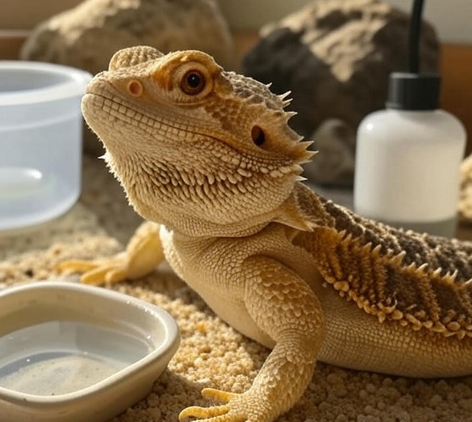
Shedding is a natural process for bearded dragons, but it can be a puzzling time for owners. Your scaly companion might act differently, leaving you wondering what’s normal and how to help. Understanding their behavior during shedding can make the experience smoother for both of you. In this guide, we’ll explore how bearded dragons behave when shedding, why these changes happen, and practical ways to support them. From mood shifts to physical signs, we’ve got you covered with expert-backed tips to keep your dragon comfortable.
Why Shedding Happens and What to Expect
Shedding, or ecdysis, is how bearded dragons grow and replace old skin. Unlike snakes, they shed in patches, which can take days or weeks. Babies shed every few weeks due to rapid growth, juveniles every 1–2 months, and adults 1–2 times a year. The process is influenced by diet, humidity, and health, so proper care is key.
During shedding, your dragon’s behavior may change due to discomfort or hormonal shifts. Dr. Stephanie Nelk, a reptile veterinarian, notes that shedding is physically taxing, and owners should watch for signs of stress or incomplete sheds. Monitoring weight with a tool like the Etekcity Food Kitchen Scale 22lb* can help ensure your dragon stays healthy, as appetite may dip. Let’s dive into the specific behaviors you might notice.
Common Shedding Behaviors in Bearded Dragons
Shedding can bring out quirky or concerning behaviors. Here’s what to look for:
- Reduced Appetite: Many dragons eat less during shedding, as the process takes energy. My dragon, Blaze, once ignored his favorite crickets for days while his tail shed. Ensure they’re still getting nutrients with a dish like Fluker’s Repta-Bowl* to make food accessible.
- Lethargy or Hiding: Your dragon might bask less or tuck away in their hide. This is normal as they conserve energy. Check that their enclosure stays at 95–100°F for basking to support the process.
- Irritability or Restlessness: Itchy skin can make dragons grumpy. They may rub against rocks or decor to loosenწ loosen shed skin. Don’t scrub them, as this can harm new skin.
- Dull or Cloudy Skin: Their skin may look pale or grayish as the old layer lifts. This is a sign shedding is underway, often starting at the head or limbs.
- Scratching or Rubbing: Dragons may scratch against objects to help remove skin. Providing a rough surface, like a clean rock, can assist.
As an Amazon Associate, I earn from qualifying purchases. A misting bottle like the Exo Terra Mister Bottle* can help maintain humidity (30–40%) to ease shedding. Owners love its fine mist for gentle hydration.
How to Support Your Bearded Dragon During Shedding
Helping your dragon through shedding reduces stress and prevents complications like retained shed. Here are effective ways to assist:
| Method | Benefits | How to Use | Recommended Product |
|---|---|---|---|
| Misting | Increases humidity to loosen skin | Lightly mist the enclosure 1–2 times daily | Exo Terra Mister Bottle* |
| Soaking | Softens stuck shed | Soak in shallow, lukewarm water for 10–15 minutes | Zoo Med Repti Ramp Bowl* |
| Rough Surfaces | Aids natural skin removal | Place clean rocks or branches in enclosure | Natural decor (check safety) |
| Calcium Supplement | Supports skin health | Dust food with supplement 2–3 times weekly | Zoo Med Repti Calcium* |
- Mist Regularly: Use the Exo Terra Mister Bottle* to keep humidity optimal. Too much moisture can cause respiratory issues, so monitor closely.
- Offer Soaks: A shallow soak in a Zoo Med Repti Ramp Bowl* can loosen stubborn shed, especially on toes or tails. Keep water at 85–90°F.
- Ensure Proper Nutrition: Shedding requires energy, so maintain a balanced diet. Use Fluker’s Repta-Bowl* to offer fresh veggies and insects dusted with Zoo Med Repti Calcium* for skin and bone health.
- Monitor Weight: Appetite changes can affect weight. Use the Etekcity Food Kitchen Scale 22lb* to track fluctuations and ensure they’re not losing too much.
Struggling to keep up with shedding care? The Bearded Dragon Care Checklist is a handy tool for scheduling tasks like misting and soaking, tailored to your dragon’s age.
Signs of Problematic Shedding
While shedding is normal, issues can arise. Watch for these red flags and act promptly:
- Retained Shed: Skin stuck on toes, tail, or eyes can restrict blood flow. Soak in a Zoo Med Repti Ramp Bowl* and gently assist if needed, but consult a vet if it persists.
- Prolonged Shedding: If shedding takes over three weeks, check humidity and diet. Low humidity or calcium deficiency, fixable with Zoo Med Repti Calcium*, may be the cause.
- Lethargy Beyond Normal: If your dragon is unusually inactive or refuses food for over a week, consult a vet. It could signal illness or stress.
When Blaze had a stubborn shed on his tail, a few soaks in a Zoo Med Repti Ramp Bowl* and a light mist with the Exo Terra Mister Bottle* solved it without stress. Always monitor closely and seek veterinary advice if unsure.
Myths About Bearded Dragon Shedding
Shedding myths can lead to poor care. Let’s clear up some common ones:
- Myth: “You should peel off all shed skin.”
Fact: Forcing off shed can injure new skin. Soak and let it come off naturally, using tools like Zoo Med Repti Ramp Bowl*. - Myth: “Shedding means your dragon is sick.”
Fact: Shedding is a healthy process for growth. Only prolonged or incomplete sheds are concerning. - Myth: “High humidity is always better for shedding.”
Fact: Excessive humidity can cause respiratory issues. Aim for 30–40% with the Exo Terra Mister Bottle*.
Avoiding these myths ensures your dragon sheds comfortably. Blaze once had a patchy shed that worried me, but a vet confirmed it was normal with proper humidity adjustments.
How to Monitor and Track Shedding
Keeping a record of shedding helps you spot patterns and issues. Use a notebook to log:
- Shed Start and End Dates: Note when shedding begins and completes to track frequency.
- Behavior Changes: Record appetite, activity, or irritability to identify trends.
- Weight: Weigh with the Etekcity Food Kitchen Scale 22lb* to ensure no significant loss during shedding.
- Problem Areas: Note any retained shed for follow-up care.
This tracking helped me notice Blaze sheds more often in warmer months, allowing me to adjust humidity proactively. The Bearded Dragon Care Checklist is great for organizing these tasks into a routine.
Conclusion
Bearded dragons show distinct behaviors during shedding, like reduced appetite, lethargy, or rubbing, which are normal but require attention. Support them with proper humidity using the Exo Terra Mister Bottle, soaks in a Zoo Med Repti Ramp Bowl, and a balanced diet with Zoo Med Repti Calcium. Monitor weight with the Etekcity Food Kitchen Scale 22lb and track shedding patterns to catch issues early. Got tips for easing your dragon’s shed? Share them in the comments—I’d love to hear what works for you!
About the Author
Dragon King, founder of BeardedBuddies.com, has over seven years of experience raising bearded dragons. His dragon, Blaze, once had a tricky shed that left patches on his back, teaching Dragon King the importance of misting with the Exo Terra Mister Bottle* and soaking. Working with herpetologists and veterinarians, Dragon King delivers reliable advice to keep your dragon healthy. All tips are grounded in expert consultations and standard reptile care practices.
BeardedBuddies.com collaborates with reptile experts to provide accurate, trustworthy care advice. This site participates in the Amazon Associates Program, earning from qualifying purchases.