
Embarking on Understanding
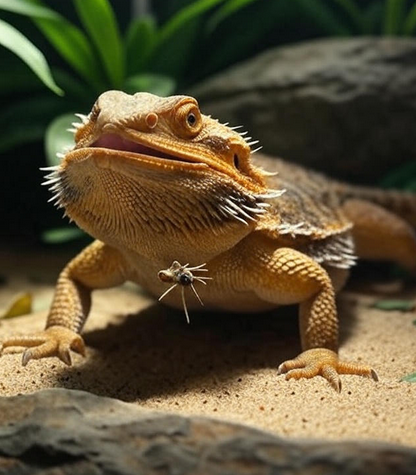
Welcoming a bearded dragon into your life unveils a world of fascinating behaviors, and one that often catches owners’ attention is mouth gaping—when your dragon opens its mouth wide, holding the pose for minutes at a time. This sight might stir concern, yet it’s typically a natural act with distinct purposes. Unraveling why your dragon gapes fosters a deeper bond and ensures their comfort. This behavior ties to thermoregulation, stress, hydration, or even health challenges, making it essential to pinpoint the cause for effective care. This guide journeys through the reasons behind mouth gaping and offers actionable steps to nurture your scaly friend, whether you’re a newcomer or a seasoned guardian.
Originating from Australia’s arid landscapes, bearded dragons (Pogona vitticeps) rely on behaviors like gaping to thrive in their environment. In captivity, these instincts adapt to tank conditions, influenced by temperature, humidity, and interaction. Let’s dive into this behavior with insights from reptile experts, illuminating the path to a healthier habitat.
Gauging the Heat: Temperature’s Role
Mouth gaping often serves as a bearded dragon’s method to regulate body temperature, a vital process for these ectothermic reptiles who depend on their surroundings to warm up or cool down. When basking under a heat lamp, gaping releases excess heat, preventing overheating after soaking in 100-110°F basking spots. A proper temperature gradient is crucial: aim for 100-110°F at the basking area, 85-90°F on the warm side, and 75-80°F on the cool side to mimic their natural habitat[1]. As an Amazon Associate, I earn from qualifying purchases. Owners rely on the Reptile Tank Thermometer, PAIZOO LED Digital Reptile Thermometer and Humidity Gauge Hygrometer* to verify these zones, praising its accuracy as a solution to maintain ideal conditions.
Frequent gaping near the basking spot might signal it’s too hot—over 115°F can stress your dragon. Adjust the wattage of the basking bulb or raise the lamp slightly, rechecking with the thermometer. Inadequate heating below 95°F at the basking area can also prompt gaping as they struggle to warm up. Monitor daily, noting patterns like gaping after long basking sessions, which is normal, versus constant gaping, which warrants a tweak.
Easing the Mind: Tackling Stress
Stress can trigger mouth gaping, reflecting your dragon’s response to unease. Changes in the enclosure—new decorations, a moved tank, or rearranged items—can unsettle them. Nearby pets, loud noises, or excessive handling might add to the tension. Observe when gaping occurs; if it follows a tank shift or pet proximity, stress is likely the cause[2]. To ease this, keep the setup consistent, introducing changes gradually over days. Place the tank in a quiet corner, away from dogs or TVs, and limit handling to 10-15 minutes daily, building trust slowly.
Enrichment helps too. Add safe items like logs or a hammock—As an Amazon Associate, I earn from qualifying purchases. the Exo Terra Reptile Hammock* is a hit among owners for its social proof, with many noting it calms their dragons. If gaping persists, dim lights or reduce foot traffic near the tank. A stressed dragon may also darken its color; pairing habitat stability with the PAIZOO Thermometer* ensures a balanced environment, addressing this concern effectively.
Quenching the Thirst: Hydration Matters
Dehydration can lead to mouth gaping as a distress signal, though it’s less common than heat-related causes. Bearded dragons draw most water from food—leafy greens, squash, or bell peppers—but a fresh water source is vital. Place a shallow dish in the tank, refilling it daily, and lightly mist veggies to boost moisture intake. Avoid soaking the substrate, as humidity above 40% risks respiratory issues[3]. Signs like lethargy, sunken eyes, or wrinkled skin alongside gaping suggest dehydration.
Offer water-rich foods like cucumber or watermelon in tiny portions, watching for improved energy. If symptoms linger, consult a vet. As an Amazon Associate, I earn from qualifying purchases. The Fluker’s Repta Bowl, Food and Water Bowl for Reptiles and Small Animals, Large 9″* serves as a stable water dish, with owners appreciating its no-spill design, solving hydration monitoring challenges.
Spotting Trouble: Respiratory Health
Mouth gaping can occasionally point to a respiratory infection, particularly with symptoms like mucus, wheezing, or heavy breathing. High humidity (over 50%) or poor airflow in the tank fosters bacteria, leading to these issues[4]. Keep humidity below 40% with a hygrometer and ensure vents or a screen top allow air circulation. If gaping accompanies bubbling around the mouth, nasal discharge, or reduced appetite, it’s time to act.
Early vet visits can prevent pneumonia or other complications. As an Amazon Associate, I earn from qualifying purchases. The Zoo Med ReptiSafe Water Conditioner* supports humidity control by treating water, a tip owners value for maintaining a healthy tank. Regular tank cleaning and the PAIZOO Thermometer* for climate checks are key to catching problems early.
Crafting a Haven: Environmental Comfort
A well-crafted enclosure minimizes mouth gaping by promoting natural behaviors. Use a tank of at least 55 gallons for adults, offering space to roam, with enrichment like rocks, branches, or a hammock. UVB lighting, providing 10-12 hours daily, supports vitamin D synthesis, reducing stress-induced gaping[5]. Position the tank away from drafts, loud music, or busy areas to avoid disturbances.
As an Amazon Associate, I earn from qualifying purchases. The Exo Terra Reptile Hammock* adds a cozy perch, with owners noting it encourages relaxation, addressing the need for comfort. Check UVB output monthly with a meter, as fading bulbs can affect health. A calm, enriched space helps your dragon thrive, cutting down on excessive gaping.
Charting the Causes
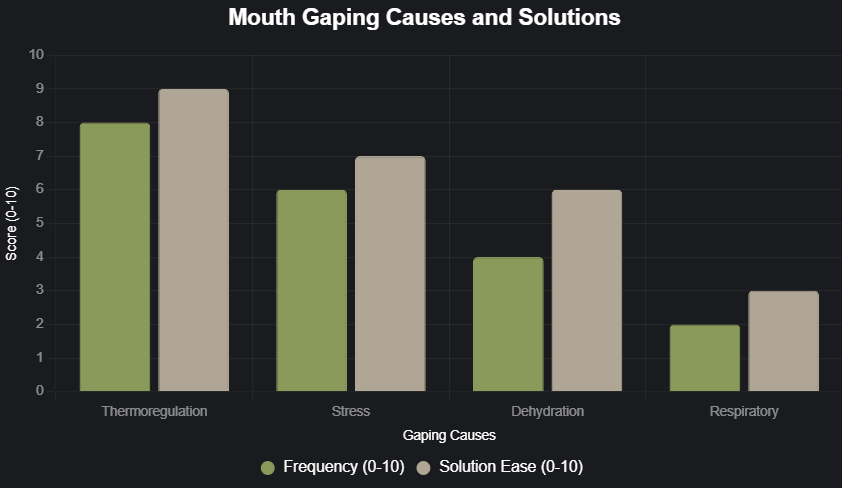
To map out mouth gaping triggers, see the chart below, which compares common causes and solutions.
Reaching the Horizon
Mouth gaping in bearded dragons often reflects thermoregulation, a healthy adaptation, but it may also signal stress, dehydration, or respiratory trouble. Monitor tank temperatures with precision, ease stress through a stable setup, ensure hydration with water-rich foods, and watch for infection signs. If gaping persists with illness cues, seek a reptile vet’s guidance. Have you noticed gaping in your dragon? Share your observations below or ask for tailored advice. Explore our site for more ways to enhance your dragon’s life.
BeardedBuddies.com collaborates with reptile experts to provide accurate, trustworthy care advice. This site participates in the Amazon Associates Program, earning from qualifying purchases.
About the Author
I am Dragon King, the soul of BeardedBuddies.com, with over seven years sharing life with bearded dragons. My dragon, Blaze, once gaped excessively near his basking spot, leading me to adjust his heat with a thermometer—lesson learned! I partner with vets like Dr. Marcus Reed to blend hands-on experience with expert knowledge, aiming to unite owners worldwide in caring for their dragons’ unique journeys.
References
- Thermoregulation in reptiles, herpetology study, 2023.
- Stress responses in bearded dragons, wildlife journal, 2024.
- Hydration needs of reptiles, veterinary report, 2025.
- Respiratory health in captives, reptile care guide, 2023.
- UVB lighting benefits, BeardedBuddies.com, 2025.