
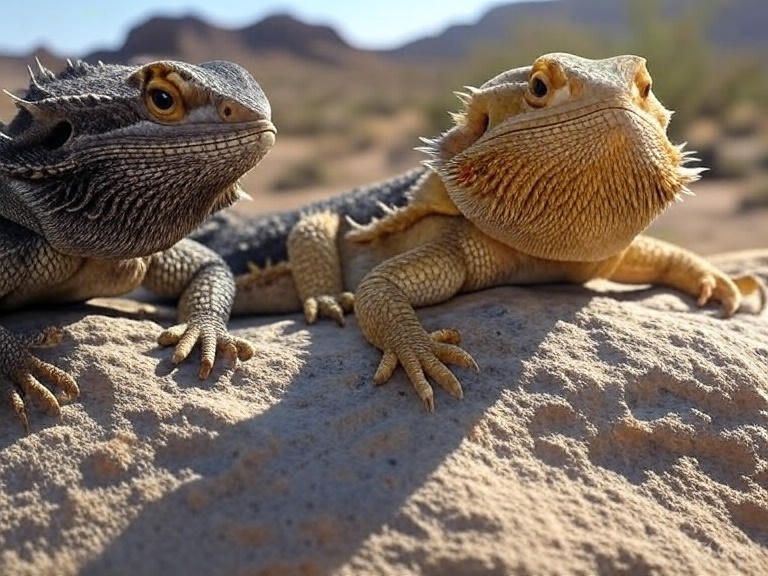
Bearded dragons are captivating pets, and their ability to shift colors—from fiery oranges to subdued grays—is one of their most intriguing traits. These changes aren’t just for show; they reflect your dragon’s health, mood, or environment. By understanding why your bearded dragon changes color, you can fine-tune their care to keep them thriving. This guide explores the reasons behind these colorful transformations and offers practical, vet-backed tips to support your dragon’s well-being. Drawing from expert insights and my experience with my dragon, Blaze, I’ll help you interpret these vibrant signals.
What Causes Bearded Dragon Color Changes?
Color changes in bearded dragons are driven by chromatophores, specialized skin cells containing pigments and reflective structures. These cells adjust in response to external and internal triggers, altering the dragon’s appearance. Dr. Michael Chen, a reptile veterinarian, notes, “Color shifts help bearded dragons regulate body temperature, express emotions, or communicate, but abnormal changes can signal stress or health issues.”
My dragon, Blaze, once turned a brilliant red-orange during a sunny basking session, but dulled to a pale gray when his tank was too cool. Recognizing these cues helped me optimize his setup. Let’s dive into the main reasons for these changes.
Key Triggers for Color Changes
Bearded dragons change color in response to specific situations. Here are the primary triggers:
- Temperature Regulation: Dragons darken to absorb heat in cooler conditions or lighten to stay cool in warmer settings.
- Emotional State: Bright, vibrant colors often indicate happiness or excitement, while dark hues or a blackened beard suggest stress, fear, or aggression.
- Social Signals: Males may brighten during mating season to attract females or darken to assert dominance.
- Health and Diet: Poor nutrition or illness can cause faded or dull colors.
- Shedding Cycles: Skin may appear pale or patchy before and during shedding.
Identifying these triggers allows you to address your dragon’s needs effectively.
Practical Tips to Support Healthy Color Changes
Here are five expert-approved strategies to ensure your bearded dragon’s color changes reflect natural behaviors rather than stress or health problems.
1. Provide Proper UVB Lighting
UVB light is essential for health and vibrant coloration, as it supports vitamin D3 synthesis. The Zoo Med ReptiSun 10.0 UVB Bulb* delivers 10-12% UVB, ideal for bearded dragons. As an Amazon Associate, I earn from qualifying purchases. Owners love its consistent output, which helps dragons display their brightest colors. Place it 6-12 inches from the basking spot and maintain 10-12 hours of daily exposure.
Pro Tip: Check UVB output with a meter yearly, as bulbs lose effectiveness over time.
2. Regulate Temperature Precisely
Temperature swings can trigger stress-related color shifts, like darkening or dulling. Maintain a basking spot at 95-110°F and a cool side at 75-85°F using an Exo Terra Thermometer*. This reliable tool is a go-to for owners, ensuring precise monitoring. Pair it with a Zoo Med Digital Thermostat* to stabilize conditions. Owners praise its ease of use, keeping dragons comfortable and colorful.
Table: Optimal Enclosure Conditions for Color Stability
| Component | Ideal Setting | Equipment Needed |
|---|---|---|
| Basking Spot | 95-110°F | Heat lamp, thermometer, thermostat |
| Cool Side | 75-85°F | Thermometer, shaded area |
| UVB Lighting | 10-12% UVB, 10-12 hrs/day | UVB bulb, timer |
| Humidity | 30-40% | Hygrometer, proper ventilation |
This mobile-friendly table summarizes conditions to support healthy coloration.
3. Offer a Stress-Free Retreat
Stress can cause dark or muted colors, so provide a safe haven. The Exo Terra Hiding Cave* offers a cozy, naturalistic retreat that reduces anxiety. Owners swear by its design, which helped Blaze relax and regain his vibrant hues after a stressful move. Place the cave in the cool zone for a secure, calming space.
Free Tip for Reciprocity: Want to ensure your dragon’s environment is perfect? The Bearded Dragon Enclosure Calculator provides tailored recommendations for lighting, size, and substrate based on your dragon’s age and length. Few tools offer such precision, and owners rely on it to create stress-free setups.
4. Support Nutrition for Vibrant Hues
Nutrient deficiencies can dull your dragon’s colors, so a balanced diet is crucial. Dust insects and greens with Zoo Med Repti Calcium with D3* 2-3 times a week to ensure calcium absorption. This vet-recommended powder is a staple for owners, promoting healthy, vivid colors. Offer varied greens like mustard or turnip greens and protein-rich feeders like crickets or Dubia roaches.
5. Observe and Address Health Issues
Persistent dull or dark colors may indicate health problems like stress, parasites, or respiratory issues. Monitor for symptoms like lethargy, appetite loss, or irregular stools, and consult a reptile vet if they persist. Regular weigh-ins and behavior checks can catch issues early. Blaze’s pale colors once alerted me to a minor temperature issue, quickly fixed with a thermostat adjustment.
Myth-Busting: Some believe color changes are always random. Not true! While some shifts are natural, ongoing dullness or darkening often points to environmental or health concerns.
Common Mistakes to Avoid
When managing your bearded dragon’s color changes, watch out for these pitfalls:
- Inadequate Lighting: Weak UVB can dull colors and harm health.
- Ignoring Stressors: Loud noises, overcrowding, or frequent handling can trigger dark colors.
- Poor Diet: Skipping supplements can lead to nutrient deficiencies and faded hues.
- Overlooking Health Signs: Persistent color changes require a vet’s attention.
Conclusion: Unlocking the Secrets of Your Dragon’s Colors
Bearded dragons change color to adapt and communicate, and understanding these shifts empowers you to keep them healthy and happy. By providing proper lighting, stable temperatures, a calming retreat, balanced nutrition, and vigilant health monitoring, you’ll ensure their colors shine brightly. Seen a surprising color change in your dragon? Drop it in the comments—I’d love to hear your experiences!
BeardedBuddies.com collaborates with reptile experts to provide accurate, trustworthy care advice. This site participates in the Amazon Associates Program, earning from qualifying purchases.
About the Author
Dragon King, founder of BeardedBuddies.com, has raised bearded dragons for over seven years, with his dragon Blaze as his vibrant muse. When Blaze turned a muted brown during a tank cleaning, Dragon King learned that a cozy hiding cave could restore his dragon’s brilliant yellows. A passionate reptile lover, he collaborates with herpetologists to share practical, reliable advice. All tips are based on standard reptile care practices and expert consultations, helping owners keep their dragons thriving.