
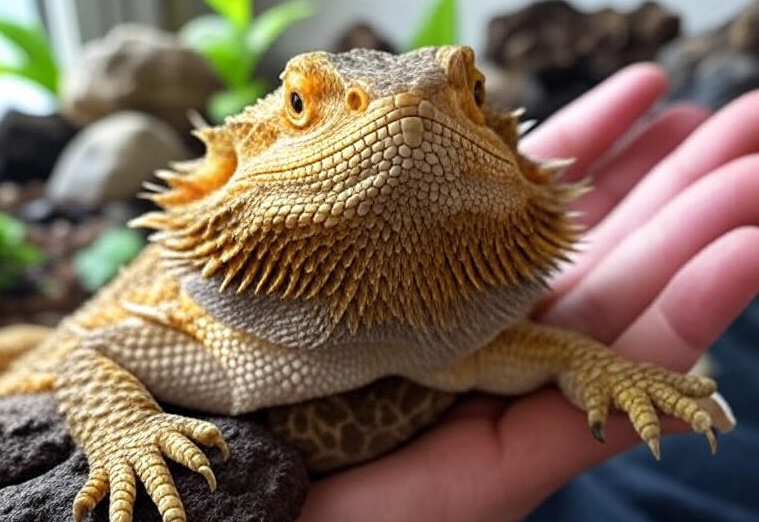
Choking is a rare but serious issue for bearded dragons, often caused by eating food that’s too large or improperly prepared. A choking dragon can face distress, injury, or even life-threatening complications if not addressed quickly. Knowing how to recognize choking, respond safely, and prevent future incidents is crucial for every owner. This guide will walk you through the steps to handle a choking bearded dragon, from immediate action to long-term prevention. Whether you’re a new owner or a seasoned keeper, these tips will help keep your scaly friend safe and healthy.
Why Choking Is a Concern for Bearded Dragons
Bearded dragons can choke when food blocks their throat or digestive tract, often due to oversized insects, hard vegetables, or substrate ingestion. This can lead to breathing difficulties, impaction, or stress, potentially requiring veterinary intervention. Dr. James Carter, a herpetologist specializing in reptile care, notes, “Quick action during a choking incident can prevent severe outcomes, but prevention through proper feeding practices is key.” By understanding choking risks and responses, you’ll ensure your dragon’s safety and well-being.
Recognizing Signs of Choking in Bearded Dragons
Spotting choking early is critical for effective intervention. Look for these symptoms:
- Gagging or Retching: Repeated head shaking, mouth gaping, or attempts to spit out food.
- Difficulty Breathing: Wheezing, labored breathing, or open-mouth breathing without panting.
- Distress Behaviors: Excessive glass surfing, frantic movements, or puffing up the beard.
- Refusal to Eat: Avoiding food after an incident, indicating discomfort or blockage.
- Swollen Throat: Visible bulge or puffiness in the neck area, suggesting a blockage.
If you notice these signs, act immediately and contact a reptile veterinarian for guidance.
Immediate Steps If Your Bearded Dragon Is Choking
If your bearded dragon appears to be choking, follow these steps carefully:
| Step | Action | Purpose | Recommended Product/Tool |
|---|---|---|---|
| Stay Calm | Avoid startling the dragon | Reduces stress, aids response | None |
| Assess the Situation | Check for visible blockage | Determines next steps | None |
| Gentle Handling | Attempt to dislodge food | Clears airway safely | Exo Terra Feeding Dish for future prevention |
| Veterinary Care | Seek professional help | Treats severe blockages | Reptile veterinarian consultation |
| Monitor Recovery | Support digestion and health | Ensures full recovery | Fluker’s Repti Boost, Fluker’s Digital Thermometer/Hygrometer |
As an Amazon Associate, I earn from qualifying purchases. Tools like the Exo Terra Feeding Dish help prevent future choking by keeping food clean and controlled.
- Stay Calm: Panicking can stress your dragon further. Approach slowly to avoid worsening the situation.
- Assess the Situation: Observe if the dragon is gagging or showing distress. If food is visible in the mouth, do not attempt to remove it with your fingers, as this can push it deeper.
- Gentle Handling: If trained by a vet, gently hold your dragon and tilt their head slightly downward to encourage the food to dislodge naturally. Lightly massage the throat area (only if instructed by a professional) to help move the blockage.
- Contact a Reptile Veterinarian: If the choking persists for more than a few minutes or the dragon shows severe distress (e.g., labored breathing), call a vet immediately. They may need to remove the blockage or provide oxygen therapy.
- Support Recovery: After the incident, offer small amounts of water in an Exo Terra Water Dish to aid hydration and monitor digestion with a warm basking spot (95-110°F), checked using a Fluker’s Digital Thermometer/Hygrometer. For weakened dragons, Fluker’s Repti Boost can support recovery with high-calorie nutrition.
Preventing Choking in Bearded Dragons
Preventing choking is easier than dealing with an emergency. Here’s how to reduce risks:
- Choose Appropriate Food Sizes: Feed insects smaller than the space between your dragon’s eyes (e.g., small crickets, phoenix worms). Chop greens and vegetables into bite-sized pieces for easy swallowing.
- Use a Feeding Dish: Serve food in an Exo Terra Feeding Dish to prevent substrate ingestion, which can contribute to choking or impaction. Owners love this dish for keeping meals clean and safe.
- Maintain Proper Tank Conditions: Ensure a basking spot of 95-110°F (100-115°F for juveniles) to aid digestion, monitored with a Fluker’s Digital Thermometer/Hygrometer. Proper temperatures help dragons process food efficiently.
- Provide UVB Lighting: A Zoo Med ReptiSun UVB Bulb supports overall health, strengthening muscles and digestion to reduce choking risks.
- Avoid Hard Foods: Skip hard insects like mealworms for juveniles or seniors, and soften vegetables (e.g., steamed squash) for easier chewing.
The Bearded Dragon Feeding Calculator is a fantastic tool for determining safe portion sizes and food types, helping prevent choking incidents. The Bearded Dragon Care Checklist ensures you track feeding and tank maintenance tasks for a healthy dragon.
Common Mistakes to Avoid
Avoid these pitfalls to keep your dragon safe:
- Feeding Oversized Food: Large insects or unchopped greens increase choking risks. Use appropriate sizes and an Exo Terra Feeding Dish.
- Ignoring Tank Conditions: Poor temperatures can slow digestion, raising choking risks. Monitor with a Fluker’s Digital Thermometer/Hygrometer.
- Attempting Risky Interventions: Never force food out of a dragon’s mouth without veterinary guidance, as it can cause injury.
- Skipping Vet Care: Delaying professional help can worsen outcomes. Always consult a vet for persistent choking.
Myths About Bearded Dragon Choking
Let’s debunk some misconceptions:
- Myth: “Bearded dragons can’t choke on food.” Fact: Oversized or improperly prepared food can cause choking, requiring immediate action.
- Myth: “Any feeding method is safe.” Fact: Using an Exo Terra Feeding Dish reduces risks compared to feeding on loose substrate.
- Myth: “Choking resolves itself.” Fact: Veterinary intervention is often needed for severe cases.
Conclusion
If your bearded dragon is choking on food, quick and calm action can make all the difference. Recognize signs like gagging or distress, handle gently, and seek veterinary help if needed. Prevent future incidents by using safe feeding practices with an Exo Terra Feeding Dish, supporting recovery with Fluker’s Repti Boost, and maintaining proper conditions with a Fluker’s Digital Thermometer/Hygrometer. Tools like the Bearded Dragon Feeding Calculator and Bearded Dragon Care Checklist help keep your dragon safe. Have you dealt with a choking incident? Share your experience or ask for tips in the comments!
About the Author
I’m Dragon King, founder of BeardedBuddies.com and a reptile enthusiast with over seven years raising bearded dragons. My dragon, Blaze, once choked on a large cricket, but quick action and a vet visit, plus switching to an Exo Terra Feeding Dish, prevented future issues. I collaborate with reptile experts to share practical, trustworthy advice for dragon owners worldwide. All my tips are based on consultations with herpetologists and standard care practices.
BeardedBuddies.com collaborates with reptile experts to provide accurate, trustworthy care advice. This site participates in the Amazon Associates Program, earning from qualifying purchases.