
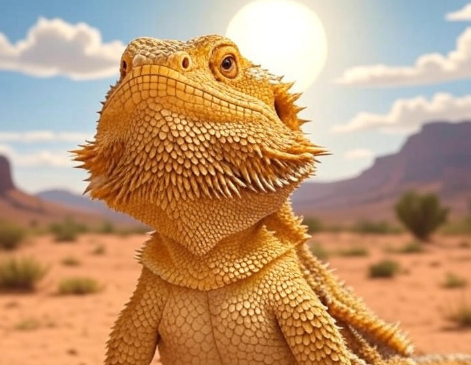
Bearded dragons have become beloved pets for reptile enthusiasts worldwide, thanks to their charming personalities and manageable care needs. With their popularity soaring, many owners wonder about the bigger picture: are there captive breeding programs dedicated to conserving these iconic lizards? This post explores the conservation status of bearded dragons, the role of captive breeding, and how responsible ownership can support their future. We’ll break down the facts, debunk myths, and share practical tips for those considering breeding or simply caring for these scaly companions.
Bearded Dragons in the Wild: Do They Need Conservation?
Bearded dragons, specifically Pogona vitticeps (the central bearded dragon), hail from Australia’s arid deserts, woodlands, and scrublands. According to the International Union for Conservation of Nature (IUCN), they’re classified as Least Concern, meaning their wild populations are stable and widespread. Australia’s strict wildlife protection laws, enacted in the 1960s, banned the export of wild bearded dragons, ensuring no legal wild-caught dragons enter the global pet trade. All bearded dragons available as pets in places like the U.S., Canada, or Europe are captive-bred, a practice that’s been in place for decades.
While not endangered, bearded dragons face potential pressures. Habitat loss from agriculture and competition from invasive species like foxes or feral cats could pose risks if left unchecked. A 2025 study using tiny fitness trackers on wild dragons showed they’re highly adaptable, but monitoring these threats remains crucial. Interestingly, feral bearded dragon populations, likely from released pets, have popped up in places like Florida, raising concerns about ecological impacts. For now, conservation efforts focus on habitat preservation rather than direct interventions like breeding programs.
What Are Captive Breeding Programs, and Do They Exist for Bearded Dragons?
Captive breeding programs are structured efforts to breed animals in controlled environments, often to bolster endangered populations or reintroduce them to the wild. They’re common for species like sea turtles or rare snakes, where zoos and sanctuaries collaborate to ensure survival. For bearded dragons, however, such programs are rare because their wild populations don’t require urgent intervention [9].
Instead, captive breeding for bearded dragons primarily serves the pet trade. Since Australia’s export ban, breeders have developed robust captive populations, producing healthy, tame dragons with diverse color morphs like red, citrus, or translucent. Some zoos, like the Tulsa Zoo, maintain breeding programs for educational exhibits, focusing on genetic diversity to mirror wild populations. These efforts aren’t about conservation in the traditional sense (e.g., reintroduction) but rather about sustaining captive populations without relying on wild stock.
For owners interested in breeding, tools like the Bearded Dragon Care Checklist from BeardedBuddies.com are a lifesaver. Owners swear by its downloadable guide for tracking health and breeding conditions, ensuring happy, thriving dragons.
How Captive Breeding Works for Bearded Dragons
Breeding bearded dragons is relatively straightforward, which is why it’s popular among hobbyists and professional breeders. After mating, females lay clutches of 10–30 eggs, which incubate for about 60 days at controlled temperatures (around 80–85°F). Ethical breeders prioritize health, avoiding inbreeding that can lead to issues like deformities or reduced fertility.
Proper equipment is key to successful breeding. As an Amazon Associate, I earn from qualifying purchases. The Exo Terra Incubator* is a favorite among breeders for maintaining stable egg conditions, a must for healthy hatchlings. For adult dragons, the Zoo Med ReptiSun 10.0 UVB Bulb* provides essential UVB light to support calcium metabolism, critical during breeding. Feeding breeding pairs is easier with a durable Fluker’s Repta-Bowl, and supplementing diets with Zoo Med Repti Calcium with D3 prevents egg-binding, a common issue in females. Owners love these tools for their reliability and ability to solve common breeding challenges.
Benefits and Challenges of Captive Breeding
Captive breeding has clear upsides. It eliminates the need to harvest wild dragons, supports research (like the 2025 wild dragon tracking study, and fuels educational programs at zoos. Genetically diverse captive populations could also act as a safeguard if wild threats escalate, though this isn’t currently necessary.
However, challenges exist. Overbreeding can lead to surplus animals, straining rescue organizations. Inbreeding in poorly managed setups risks genetic issues, like weakened immune systems or physical deformities. Some animal welfare groups argue that bearded dragons belong in the wild, not as pets, urging owners to prioritize ethical care.
Here’s a quick comparison of wild versus captive bearded dragons to highlight key differences:
| Aspect | Wild Bearded Dragons | Captive Bearded Dragons |
|---|---|---|
| Habitat | Arid Australian deserts, free-roaming | Enclosures mimicking natural conditions |
| Diet | Foraged insects, native plants | Commercial feeds, supplements like Zoo Med Repti Calcium with D3* |
| Lifespan | 5–8 years, predators a factor | 8–12 years with proper care |
| Breeding | Seasonal, natural selection | Controlled, often for specific morphs |
This table underscores why captive breeding requires careful planning to mimic natural conditions while avoiding health risks.
Myths About Bearded Dragon Breeding and Conservation
Let’s bust some common myths:
- Myth: Bearded dragons are endangered and need captive breeding to survive.
Fact: They’re listed as Least Concern, and breeding is mainly for the pet trade, not conservation. - Myth: All captive breeding is ethical and safe.
Fact: Poor practices, like inbreeding, can harm dragons. Always choose reputable breeders who prioritize health. - Myth: Captive-bred dragons can’t survive in the wild.
Fact: While not suited for release due to tameness, they’re genetically similar to wild dragons and could adapt if needed.
For more on setting up a healthy enclosure for breeding or pet dragons, check out BeardedBuddies.com’s Enclosure Calculator to ensure your setup meets your dragon’s needs.
Tips for Responsible Bearded Dragon Ownership
Whether you’re breeding or keeping a pet dragon, responsible care supports their long-term health and indirectly aids conservation by reducing demand for unethical breeding. Here are practical tips:
- Choose Reputable Breeders: Look for those who provide health records and avoid inbreeding. This ensures strong, healthy dragons.
- Optimize Your Setup: Use tools like the Zoo Med ReptiSun 10.0 UVB Bulb* for proper lighting and a Fluker’s Repta-Bowl* for consistent feeding.
- Supplement Diets: Female dragons, especially when breeding, need extra calcium to avoid egg-binding. The Zoo Med Repti Calcium with D3* is a trusted choice.
- Monitor Genetics: If breeding, track lineage to avoid inbreeding. Consult resources like the Bearded Dragon Care Checklist for guidance.
- Support Conservation: While bearded dragons don’t need direct conservation, donating to groups like the Australian Reptile Park helps protect their habitats [20].
Conclusion
Bearded dragons don’t currently require captive breeding programs for conservation, thanks to their stable wild populations and Australia’s export bans. Instead, captive breeding fuels the pet trade, producing healthy dragons while preserving wild stocks. By choosing ethical breeders, using reliable tools like the Exo Terra Incubator*, and following responsible care practices, owners can support the species’ long-term health. Have you considered breeding bearded dragons or have questions about their care? Share your thoughts in the comments or explore more tips at BeardedBuddies.com!
BeardedBuddies.com collaborates with reptile experts to provide accurate, trustworthy care advice. This site participates in the Amazon Associates Program, earning from qualifying purchases.
About the Author
Dragon King, founder of BeardedBuddies.com, has spent over seven years raising bearded dragons, with his trusty companion Blaze by his side. Once, while setting up a new enclosure, Blaze curiously inspected a new basking rock, reminding Dragon King how proper equipment matters. As a dedicated reptile enthusiast, he’s passionate about sharing practical advice to help owners worldwide give their dragons the best care. All advice is based on consultations with herpetologists, like Dr. Stephanie Nelk, and standard reptile care practices.