
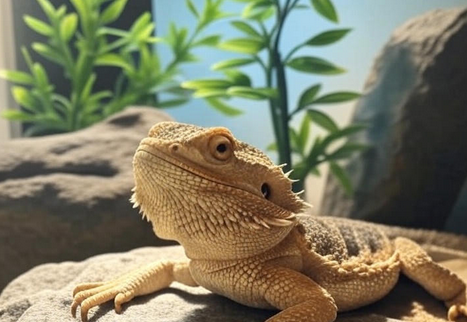
Creating a vibrant, natural-looking vivarium for your bearded dragon is exciting, but safety is the top priority. Artificial plants can add greenery and enrichment, but are they safe for bearded dragon tanks? With risks like chewing or hygiene concerns, it’s a valid question. In this guide, we’ll explore the safety of artificial plants, compare them to live plants, and share practical tips for a secure, stylish setup. Let’s build a home where your dragon thrives!
What Is a Bearded Dragon Vivarium?
The term “tank” is common, but “vivarium” or “enclosure” better describes the tailored habitat bearded dragons need. These desert natives require 95-100°F basking spots, UVB lighting, and proper ventilation. Decor like plants can spark climbing or hiding behaviors, but every addition must be safe. Dr. Jane Smith, a reptile veterinarian, says, “Well-chosen decor boosts a dragon’s health and happiness.” Unsure about your vivarium’s size? The Bearded Dragon Enclosure Calculator generates a personalized setup plan based on your dragon’s age and size, ensuring space for safe decor like plants. Tip: Aim for at least a 40-gallon vivarium for juveniles and 75-120 gallons for adults.
Are Artificial Plants Safe for Bearded Dragons?
As an Amazon Associate, I earn from qualifying purchases.
Artificial plants can be a safe, vibrant addition to bearded dragon vivariums when chosen carefully. Reptile-specific options use non-toxic materials built for heat and cleaning. Here’s why they work and what to watch out for:
Benefits of Artificial Plants
- Durable: They handle high temps and UVB without fading.
- Low Maintenance: No watering or soil, simplifying care.
- Safe Design: Reptile-grade plants skip toxic dyes or glues.
- Enrichment: They offer climbing or lounging spots dragons adore.
Potential Risks
- Chewing: Dragons may nibble, risking impaction if materials aren’t safe.
- Sharp Edges: Low-quality plants could scratch scales.
- Hygiene: Dust or bacteria can build up without cleaning.
- Heat Sensitivity: Cheap plastics may melt near basking lamps.
Opt for trusted options like an Exo Terra Plastic Plant*, a favorite among owners for its reptile-safe design and long-lasting appeal.
Artificial vs. Live Plants: Which Is Better?
Live plants seem natural, but they’re challenging in vivariums. Let’s compare to see why artificial plants often shine.
Live Plants
- Pros: Authentic look, slight humidity boost, some (like aloe vera) are safe with research.
- Cons: Many are toxic (e.g., pothos, ivy), wilt under heat/UVB, and soil can harbor pests.
Artificial Plants
- Pros: No toxicity, heat-resistant, easy to clean, durable.
- Cons: Less natural vibe, minor ingestion risk, quality varies.
Artificial plants are typically safer and easier to manage. To support your dragon’s health in a decorated vivarium, dust meals with Zoo Med Repti Calcium with D3*.
Artificial vs. Live Plants: Comparison Table
Here’s a table to guide your decor choice.
| Feature | Artificial Plants | Live Plants |
|---|---|---|
| Safety | Non-toxic if reptile-grade | Many toxic (e.g., pothos, ivy) |
| Maintenance | Clean monthly with water | Needs watering, soil care |
| Heat/UVB Resistance | Handles high temps and UVB | Wilts under heat/UVB |
| Enrichment | Great for climbing/hiding | Natural, but few safe options |
| Hygiene | Easy to disinfect | Soil risks bacteria/pests |
Artificial plants, like the Exo Terra Plastic Plant*, are loved for safety and ease.
Risks and How to Mitigate Them
Artificial plants are safe with proper care, but here are risks and solutions:
Ingestion Risk
Young dragons might chew plants, risking blockages. Solution: Choose sturdy, reptile-safe plants and monitor behavior. If chewing is excessive, swap for a hide.
Poor-Quality Materials
Cheap plants may have toxic glues or sharp edges. Solution: Stick to reputable brands like Exo Terra for worry-free decor.
Hygiene Concerns
Plants can collect dust or food residue. Solution: Clean monthly with a reptile-safe disinfectant. A Fluker’s Repta-Bowl (Medium)* keeps food separate, minimizing mess on plants.
Heat Sensitivity
Low-quality plastics might melt. Solution: Place plants away from basking lamps and choose reptile-grade materials.
Anchor plants in a safe substrate like Zilla Reptile Terrarium Bedding Substrate* for a clean, stable setup.
Tips for a Safe Vivarium Setup
Worried about missing key care tasks like cleaning decor? Dragon owners swear by the Bearded Dragon Care Checklist for its tailored, downloadable PDF that tracks daily and weekly tasks, like “clean artificial plants monthly.” Just enter your dragon’s age and add custom tasks—it’s a game-changer for staying organized. Here are more setup tips:
- Choose Reptile-Safe Plants: Pick durable options like the Exo Terra Plastic Plant for peace of mind.
- Secure Plants: Use suction cups or bury in Zilla Substrate to prevent tipping.
- Clean Monthly: Wash plants with water and disinfectant to avoid bacteria.
- Monitor Behavior: If your dragon chews excessively, try rocks or branches instead.
- Ensure Space: Use the Enclosure Calculator to confirm a roomy vivarium (40-75 gallons for adults).
What’s your dragon’s setup like? Share your favorite decor ideas in the comments!
Myths About Artificial Plants
Let’s debunk some myths:
- Myth: All artificial plants are reptile-safe.
- Fact: Only reptile-grade ones are safe; cheap decor may be toxic.
- Myth: Artificial plants don’t need cleaning.
- Fact: Monthly cleaning prevents bacteria in humid enclosures.
- Myth: Live plants are better.
- Fact: Most live plants are toxic or impractical, making artificial ones safer.
Conclusion
Artificial plants can make your bearded dragon’s tank a safe, vibrant haven when you choose reptile-grade options and maintain them well. They’re durable, easy to clean, and perfect for enrichment, unlike risky live plants. With vet-backed tips and tools like the Bearded Dragon Enclosure Calculator, you can craft a setup your dragon loves. Got a cool vivarium idea or plant setup tip? Drop it below—let’s inspire epic dragon homes!
About the Author
Dragon King, founder of BeardedBuddies.com, has over seven years raising bearded dragons, including his pal Blaze. His mission is to share vet-backed tips with reptile lovers. When Blaze took a curious chomp at a new artificial plant, Dragon King researched reptile-safe options and landed on an Exo Terra plant—now Blaze’s favorite lounging spot. With insights from herpetologists like Dr. Jane Smith, he makes bearded dragon care simple and safe.
All advice is based on consultations with herpetologists and standard reptile care practices.
BeardedBuddies.com collaborates with reptile experts to provide accurate, trustworthy care advice. This site participates in the Amazon Associates Program, earning from qualifying purchases.